Porto Alegre, Brazil | AFP
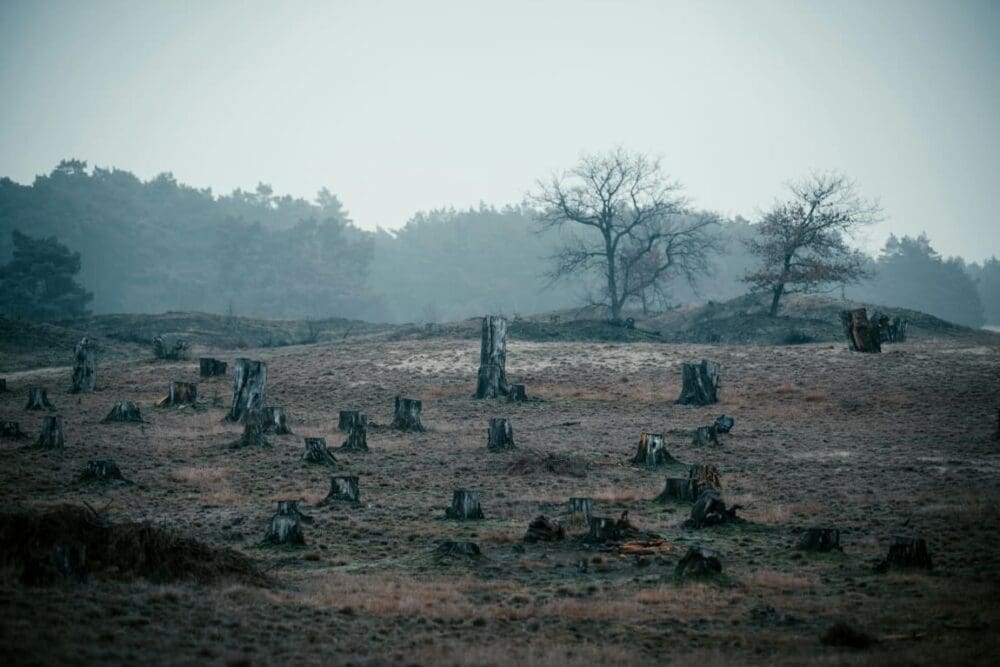
The floods devastating southern Brazil have been exacerbated by deforestation, much of it driven by soybean farming, according to experts, who urge the country to restore its forests and their vast water-retaining root systems.
The key agricultural state of Rio Grande do Sul has been hit by an unprecedented climate disaster for the past three weeks, with cities and rural areas alike inundated by torrential rains that have left more than 150 people dead and some 100 missing.
It is the region’s fourth extreme weather event in less than a year, a phenomenon scientists say is driven by climate change — and also deforestation.
“There’s a global component to climate change, and also a regional one, which is the loss of native vegetation. That increased the intensity of the floods,” says biologist Eduardo Velez of MapBiomas, an organization that uses satellite images to track deforestation.
According to the group, Rio Grande do Sul lost 22 percent of its native vegetation, or 3.6 million hectares (8.9 million acres), from 1985 to 2022.
Those wildlands have largely been replaced by fields of rice, eucalyptus and especially soybeans, of which Brazil is the world’s biggest producer and exporter.
Vicious cycle
Native forests help ensure water permeates the soil, preventing it from accumulating on the surface, says Jaqueline Sordi, a biologist and journalist based in the region who specializes in climate issues.
Vegetation also holds soil in place, helping to prevent erosion and landslides.
The deep brown color of the water that has flooded the state capital, Porto Alegre, along with 90 percent of Rio Grande do Sul’s towns, “shows just how many tons and tons of soil were washed away” in the rains, Velez told AFP.
In a vicious cycle, that mud has now accumulated in the beds of rivers, making them shallower — and therefore more likely to flood next time.
“Beyond relocating people (from high-risk areas) and rebuilding infrastructure, it’s extremely important to have policies on restoring native vegetation,” said Velez.
Rio Grande do Sul “urgently” needs to restore more than a million hectares of forests in order for them to adequately perform their proper environmental role, according to a 2023 study by the sustainable development group Instituto Escolhas.
But Velez says there is still no “heavyweight” plan to do that in Rio Grande do Sul, despite a deal it signed last year with other states in southern and southeastern Brazil to reforest 90,000 hectares by 2026.
‘Open people’s eyes’
At the national level, deforestation surged under the government of far-right former president Jair Bolsonaro, a climate-change skeptic and ally of the powerful agribusiness sector who was in office from 2019 to 2022.
“It became easier to get permits (to clear vegetation), and Rio Grande do Sul played a big role” in benefitting from those permits, said Sordi.
A local municipal council member from Bolsonaro’s Liberal Party, Sandro Fantinel, caused controversy last week by saying the region should clear more trees around roads, arguing their weight and water-swollen roots had caused landslides during the floods.
Sordi says disasters like the current one have the potential to “open people’s eyes” to the scientific evidence of climate change and its “warning signs.”
“Sometimes we only pay attention when the problem arrives.”
app/jhb/nro/dw
© Agence France-Presse
Article Source:
Press Release/Material by Anna Pelegri | AFP
Featured image credit: Dylan Leagh | Pexels