Taipei, Taiwan (AFP) – Workers removed felled trees and swept up shattered glass in southern Taiwan on Friday as Typhoon Krathon was downgraded to a tropical depression after killing two and injuring hundreds.
The Central Weather Administration (CWA) lifted its typhoon warning early Friday as the storm slowly dissipated after slamming into the island the day before, bringing mudslides, flooding and destructive winds.
Across the island, two people were killed, one went missing and more than 600 were reported injured, with more than 100,000 homes still without power as of Friday.
In the coastal city of Kaohsiung, where schools and offices remained closed, workers raced to clean up trees and advertising signs that still blocked many streets and a light rail track.
“All roads nearby, big or small, they all become inaccessible. So going to school and going to work tomorrow will be difficult,” a Kaohsiung resident surnamed Chan told AFP Thursday night.
“I think that there will need to be a lot of tough clean-up work to be done to clear all this up. This disaster in Kaohsiung is quite severe.”
More than 1,000 soldiers have been deployed to assist in cleanup efforts in the southern seaport city, the defence ministry said.
“The storm circle of Krathon enveloped Kaohsiung for 60 hours. In some areas, the rainfall was higher than (July’s) Typhoon Gaemi, and a record Level 17 strong wind was also measured at Kaohsiung Port,” Mayor Chen Chi-mai said in a Facebook post.
“All city government units are making every effort to repair the damage.”
Wind speeds of 56.3 metres per second were measured in Kaohsiung on Thursday, according to the CWA.
Kaohsiung residents were instructed by the authorities to “take shelter ASAP” before the typhoon made landfall around noon on Thursday with wind gusts of 162 kilometres (100 miles) per hour.
Powerful winds uprooted trees, blew cargo containers off a pier, and shattered the glass doors of shops and banks across the city.
Local TV footage showed convenience store workers standing behind a glass door trying to brace it before it was shattered by strong gusts, sending goods flying inside the shop.
The typhoon also disrupted electricity and water supplies across Kaohsiung. Nearly 130,000 homes were still without water on Friday.
In southern Pingtung, which also remained shuttered, the typhoon hampered rescue efforts after a fire tore through a hospital, killing nine people on Thursday.
Taiwan is accustomed to frequent tropical storms from July to October but scientists have warned climate change is increasing their intensity, leading to heavy rains, flash floods and strong gusts.
In July, Gaemi became the strongest typhoon to make landfall in Taiwan in eight years, killing at least 10 people, injuring hundreds and triggering widespread flooding in Kaohsiung.
aw/cwl
© Agence France-Presse
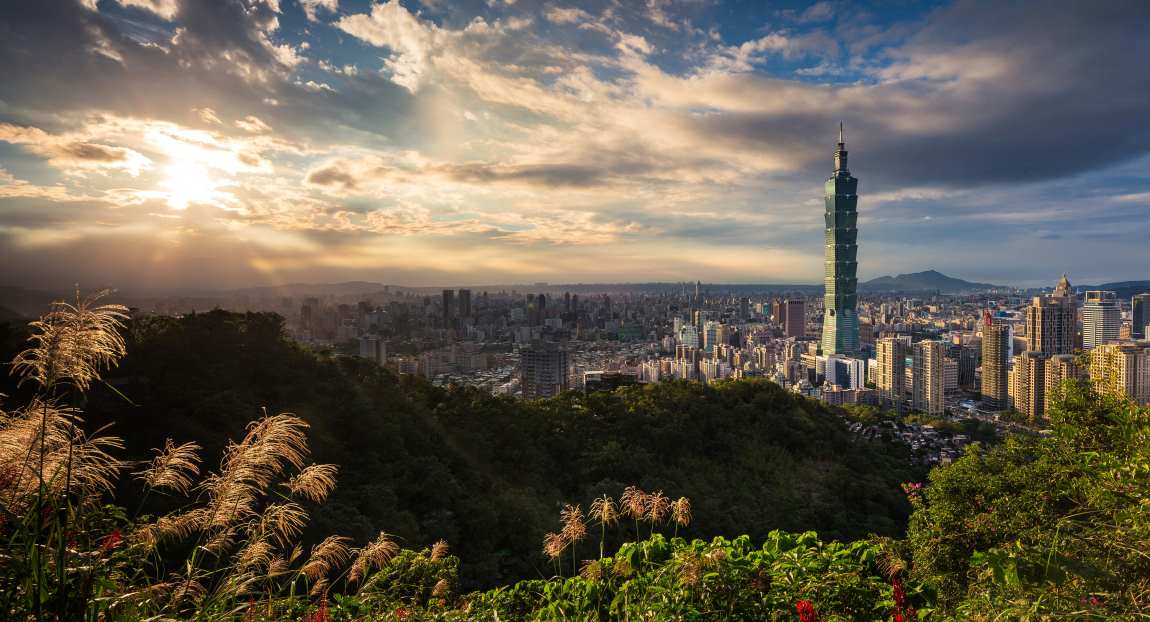
Featured image credit: Thomas Tucker | Unsplash