Sao Paulo, Brazil | AFP – Brazil plans to cut greenhouse gas emissions more dramatically than had been planned, the government of Luiz Inacio Lula da Silva has announced.
Instead of the earlier target of reducing emissions by 59 percent from 2005 levels by 2035, it will aim for a 67 percent reduction, the left-leaning government said Friday.
The shift is intended to align Brazil’s emissions goal — called its “Nationally Determined Contribution,” or NDC — with the terms of the Paris Accord of 2016, said an official note published late Friday.
Signatories to the Paris Accord have until February to announce their new emission goals, but Brazil will present its new NDC target at the UN’s upcoming COP29 climate conference in Baku, Azerbaijan beginning November 11.
Brazil will host the following climate conference, COP30, next November in the Amazonian city of Belem.
The new target would allow emissions totaling roughly 850 million to one billion tons of carbon dioxide (CO2) by 2035, down from 2.4 billion tons in the baseline year of 2005.
The government note said “the new NDC covers every sector of the economy and aligns with the goal of the Paris Accord to limit average climate warming to 1.5 degrees centigrade,” the note said.
It said Brazil would achieve “climate neutrality” by 2050.
But Brazilian NGO Climate Observatory, a network of civil society and environmental groups, said the program was not ambitious enough.
Marcio Astrini, the group’s executive secretary, said the country had omitted key information on its strategies against deforestation or fossil fuel use, adding that greater transparency should be expected from “a country that aims to be a leader in the multilateral fight against the climate crisis.”
The government announced this week that the deforestation rate in Brazil’s Amazon was down 30 percent, its strongest decline in 15 years.
ffb/app/gv/emp/bbk/md
© Agence France-Presse
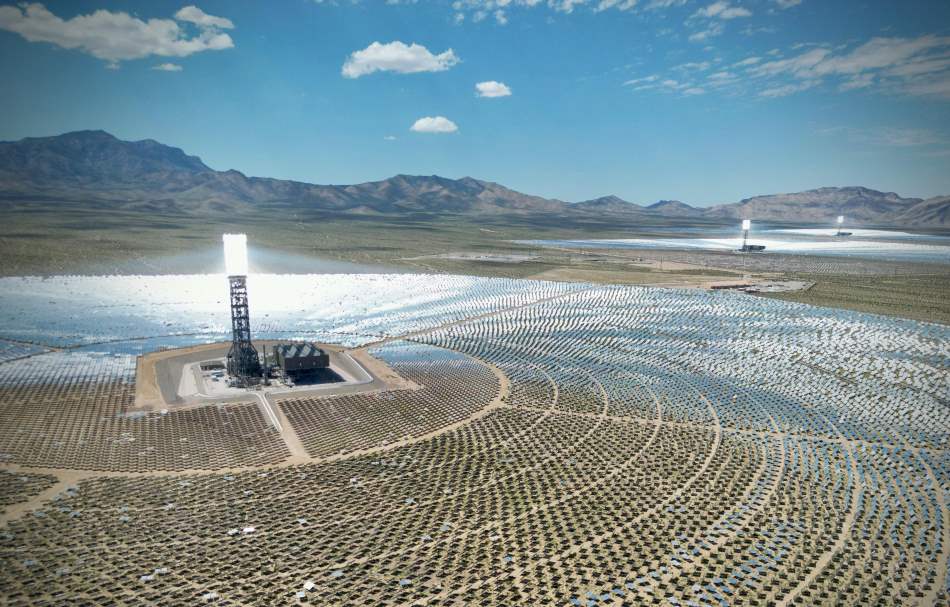
Featured image: Steel Truss Tower near Mountains, Cubatão, SP, Brasil Credit: William Santos | Pexels