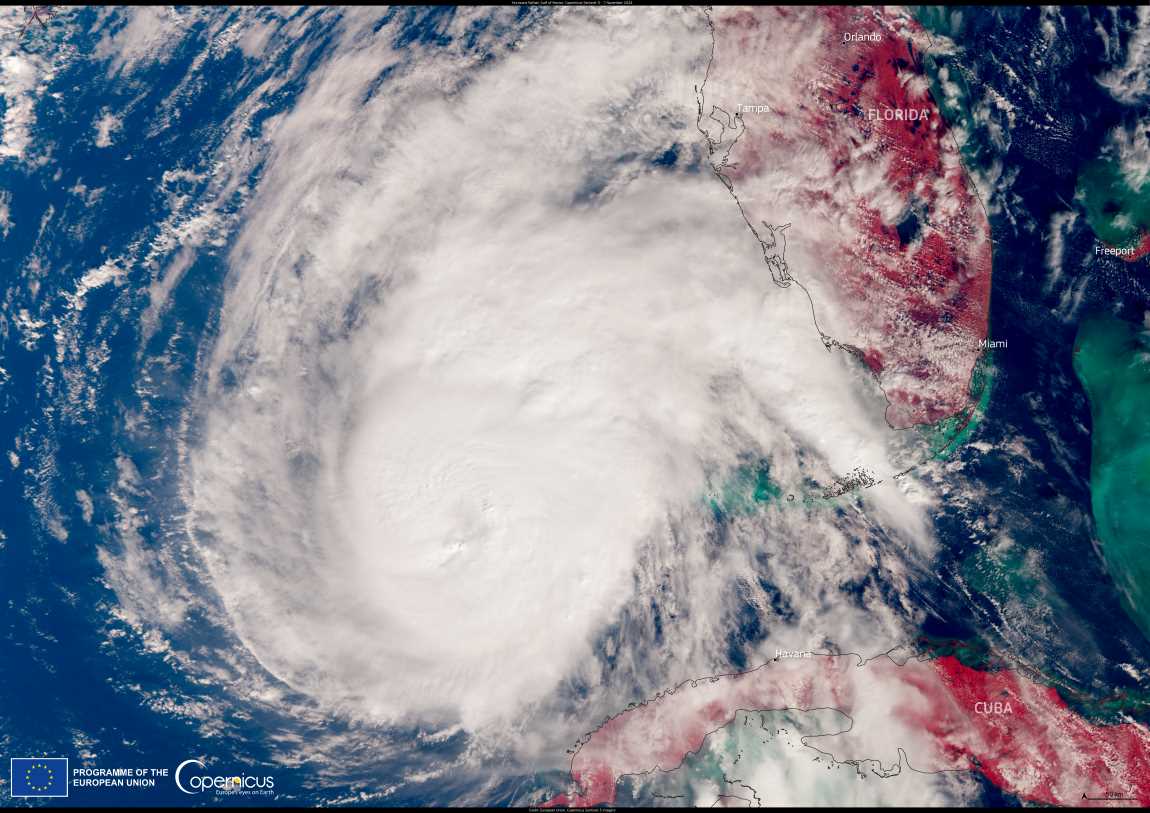
In early November 2024, Hurricane Rafael, visible in this Copernicus Sentine-3 image acquired on 7 November 2024, made landfall in Cuba as a Category 3 storm, destroying hundreds of homes and other infrastructure and causing island-wide power outages.
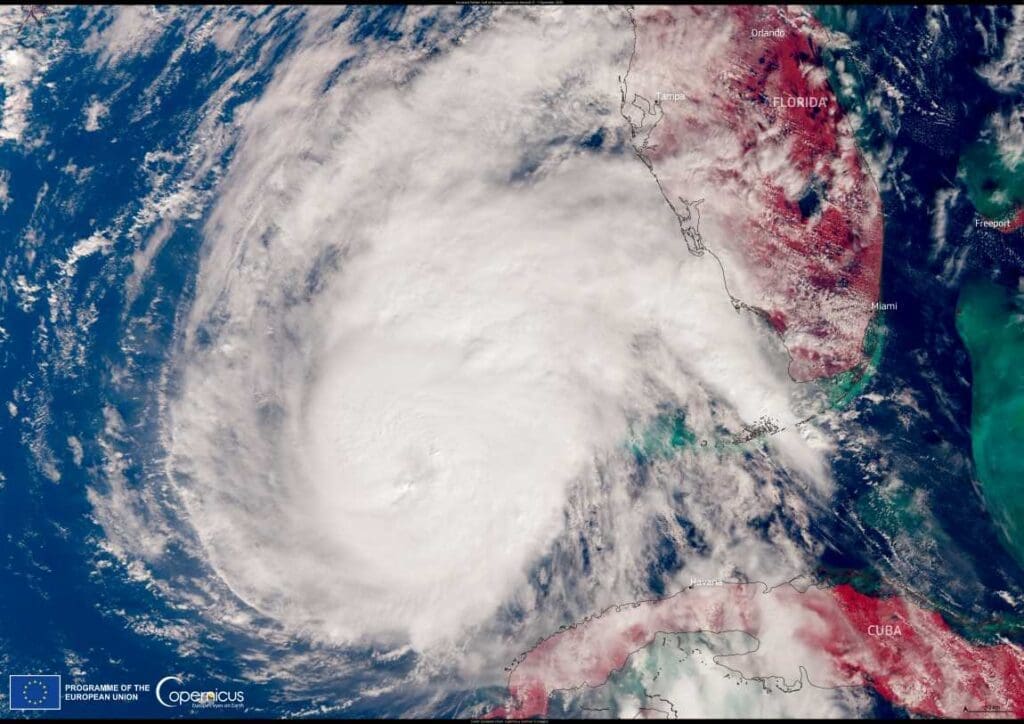
Hurricane Rafael. Above Gulf of Mexico Credit: European Union, Copernicus Sentinel-3 imagery
Above Gulf of Mexico Credit: European Union, Copernicus Sentinel-3 imagery

Over 283,000 people have been evacuated, including nearly 100,000 people in Havana. Rafael, which is the strongest hurricane in the northwestern Caribbean in November since 2009, is the second powerful hurricane to hit Cuba in recent weeks, following Hurricane Oscar in October 2024.

Amid increasingly frequent and intense tropical storms and hurricanes driven by climate change, the Copernicus Sentinel satellites deliver open data which supports the monitoring and understanding of these extreme weather events.

Featured image credit: European Union, Copernicus Sentinel-3 imagery

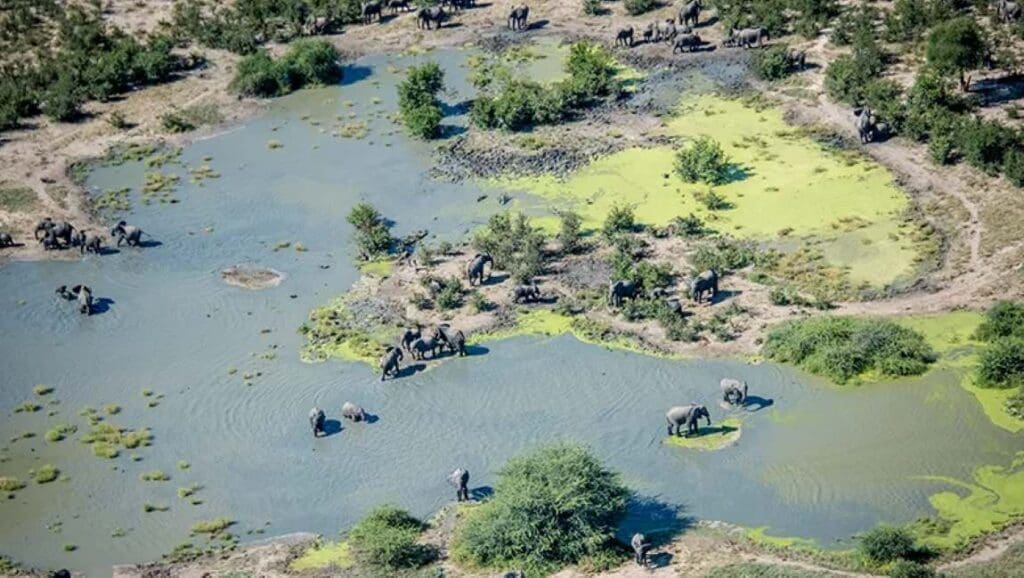
Image: elephants at a waterhole
Unraveling the mystery behind Botswana’s elephant deaths with remote sensingClimate

Unraveling the mystery behind Botswana’s elephant deaths with remote sensing

The 2020 deaths of 350 African elephants in Botswana drew worldwide attention, sparking debate over the potential role of cyanotoxins in water sources as a…
SourceSourceNovember 30, 2024 Full article
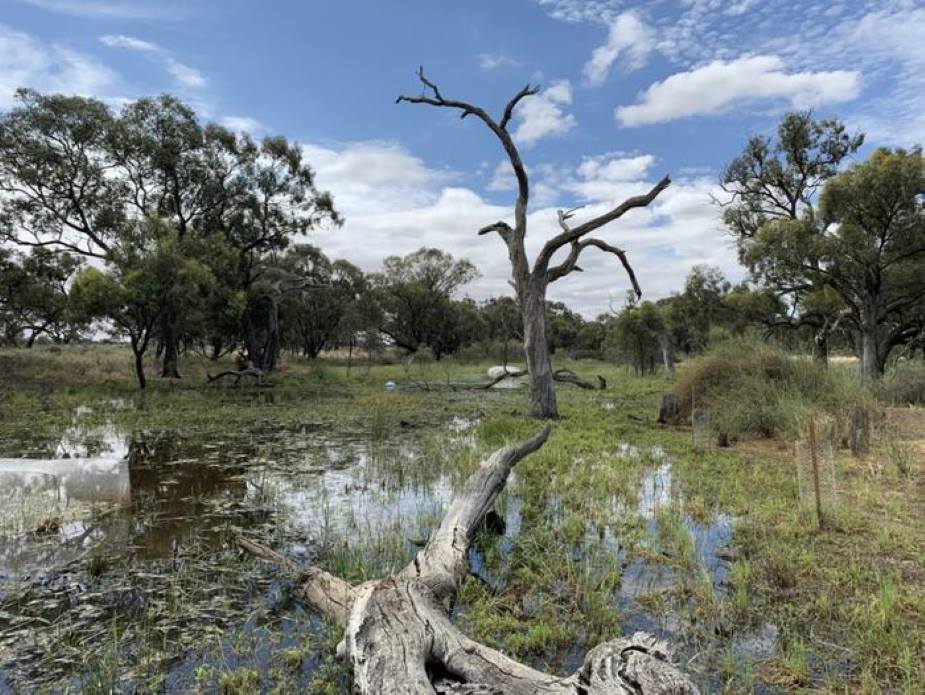
Image: Image of restored wetland
Wetland restoration slashes carbon by 39% and boosts drought resilience in one yearClimate

Wetland restoration slashes carbon by 39% and boosts drought resilience in one year

Reviving floodplain wetlands slashes carbon emissions by 39% and restores critical ecosystem functions in one year – without the methane spike typically seen in restored…
SourceSourceJuly 16, 2025 Full article
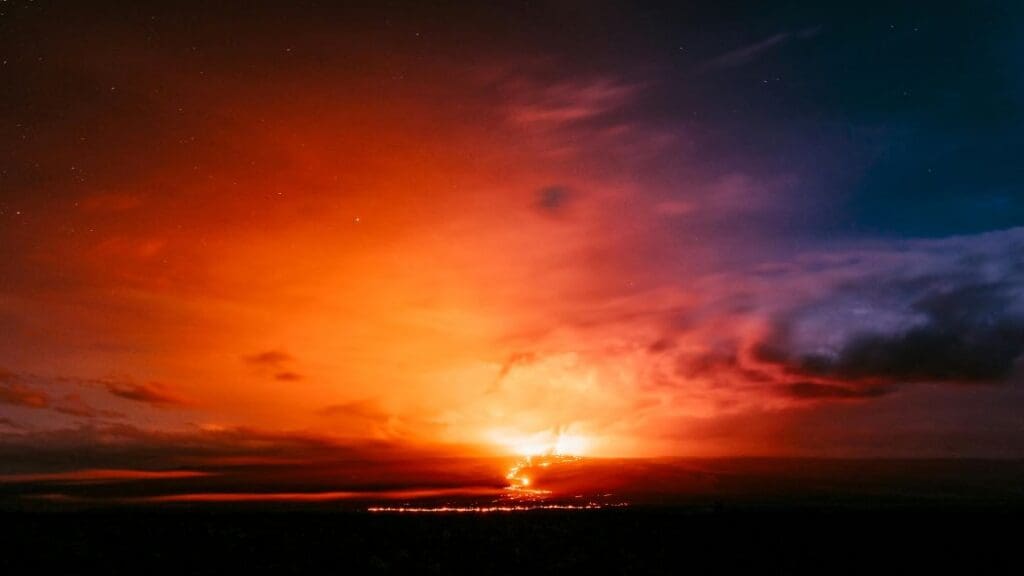
Image: Yellow Sky after Mauna Loa Eruption on Hawaii (s. mass extinction, Earth)
Ancient climate crisis reshaped Earth’s ecosystems after mass extinction eventClimate

Ancient climate crisis reshaped Earth’s ecosystems after mass extinction event

By comparing climate models to fossil vegetation, scientists trace the remains of climate chaos following the Permian-Triassic mass extinction — including 10 degrees of global…
SourceSourceMarch 12, 2025 Full article