In Brief:
Tree crops, including apple, olive, coffee, and cacao, span over 183 million hectares worldwide but remain undervalued in agricultural policies despite their significant ecological, economic, and social roles.
An international research team, including Göttingen University, underscores the potential of tree crops to advance biodiversity conservation, combat climate change, and support livelihoods.
The findings, published in a Perspectives article in Nature Sustainability, suggest the need for tailored strategies and policies to unlock the sustainable potential of these long-term agricultural systems.
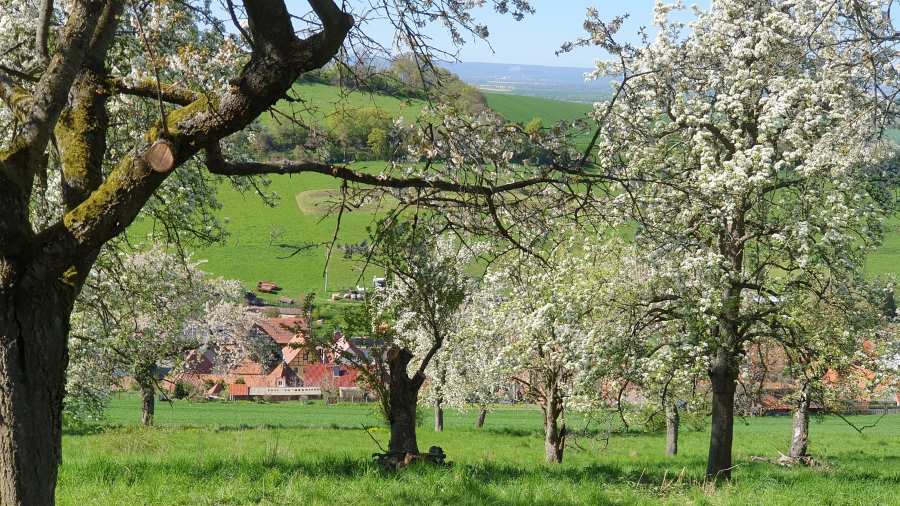
Tree crops – for example, apple, cherry, olives, nuts, coffee, and cacao – cover more than 183 million hectares worldwide, yet remain largely overlooked in agricultural policies, despite their critical role in achieving the United Nation’s Sustainable Development Goals (SDGs) .
An international research team, with the participation of Göttingen University, highlight how these crops are not only essential to feed the world and for global economies, but also hold immense potential for protecting biodiversity and the climate, as well as improving livelihoods for millions of people worldwide.
The study’s findings urge policymakers to develop specific agendas to promote sustainable practices in tree crop agriculture. Agricultural policies typically focus on annual crops – such as wheat, sunflowers or rice – which have much shorter life cycles, from germination to harvest in just one year.
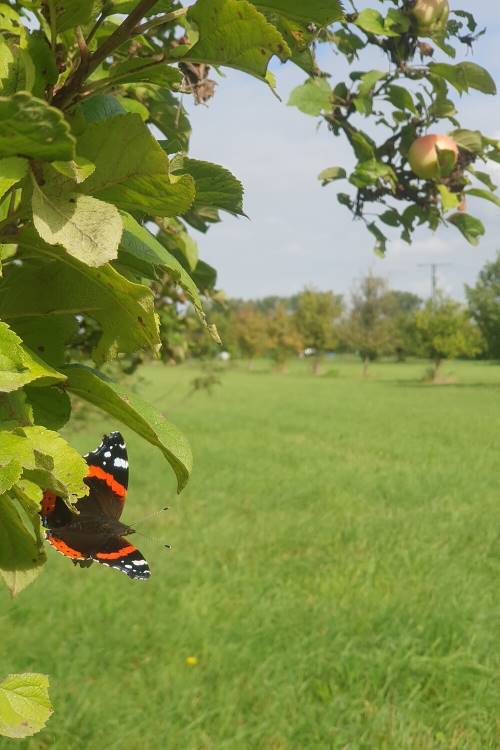
While fostering sustainable practices in crops like wheat is also important, the ecological benefits of these systems are often limited due to their simpler vegetation and shorter harvest cycle. Tree crops, by contrast, are more complex, including several layers of vegetation – herbaceous, shrubs, trees – and provide stable habitats that can support biodiversity when managed sustainably.
With their permanent root systems and extensive leaf litter, tree crops also prevent soil erosion, enhance its fertility, and provide habitats for many species year-round. They contribute to greenhouse gas reduction through carbon sequestration, improve habitat connectivity for fragmented ecosystems, and buffer protected areas from the impacts of intensive agriculture.
Tree crops tend to be less mechanized and require more manual labor, offering vital employment opportunities, particularly in low- and middle-income countries where these crops are widespread.
The researchers call for the implementation of regulations, financial incentives, and supportive policies aimed at improving agricultural practices for tree crops to maximize their contribution to global sustainability.
“Tree cropping areas overlap with most of the world’s biodiversity rich areas, making them key to conservation. However, local practices and landscape-scale measures adapted to different contexts are needed. We call for tailored strategies and further research to ensure sustainable management of tree crops,” explains co-author Dr Elena Velado-Alonso, at Göttingen University’s Functional Agrobiodiversity and Agroecology Group.
“We’re missing an opportunity to leverage tree crops to address some of the biggest environmental and social challenges of our time,” says Dr Carlos Martínez-Núñez, researcher at the Doñana Biological Station and coordinator of the study. “When managed properly, these agricultural systems can be a powerful tool for biodiversity conservation, climate change mitigation, and rural poverty alleviation, in addition to producing around 1,000 million metric tons of food annually.”
“This call to action represents a crucial step in rethinking agriculture’s role in building a fairer, more sustainable future,” adds Velado-Alonso.
Journal Reference:
Martinez-Nuñez, C., Velado-Alonso, E., Avelino, J. et al. ‘Tailored policies for perennial woody crops are crucial to advance sustainable development’, Nature Sustainability (2024). DOI: 10.1038/s41893-024-01483-8
Article Source:
Press Release/Material by University of Göttingen
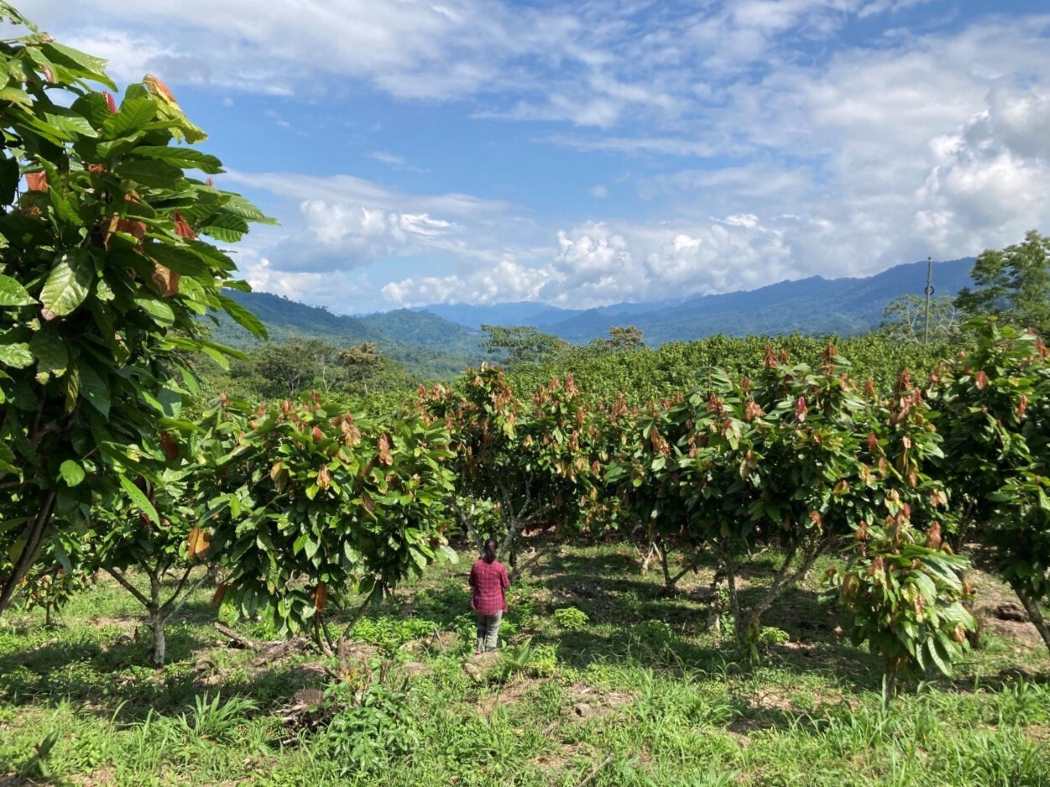
Featured image: Cacao plantation in the project: ‘Ecological intensification and multifunctionality of genetically diverse cocoa agroforestry systems in Peruvian landscapes (Eco-Cacao)’. Tree crops such as these offer important sources of income for local people and can – with sustainable strategies – protect biodiversity. Credit: Blanca Ivañez-Ballesteros