Do-it-yourself (DIY) greening kits could help safeguard the country’s most vulnerable communities from the impacts of a rapidly changing environment, according to a new project led by the University of Surrey, UK.
The project, DIY Greening Prescription for Climate Adaptation in Urban Streets (GP4Streets), is backed by £2 million from the Natural Environment Research Council. GP4Streets will provide tailored “greening prescriptions” for UK streets, offering communities practical solutions to adapt to local climate challenges.
At first, the GP4Streets project will equip neighbourhoods with monitoring tools to measure key environmental factors such as air quality, temperature, and water flow. Then, the community will be provided with DIY greening kits to implement in their environment. Over the project duration, sensors will track the benefits of greening efforts, such as planting trees and installing green walls, to help fine-tune climate adaptation strategies for UK streets.
Led by the University of Surrey’s Global Centre for Clean Air Research (GCARE), the project brings together experts from five institutions, including the UWE Bristol, the University of Bath, the University of Sheffield, and Imperial College London. Nine local councils, charities, and industry partners are also on board to support the rollout and scaling up of these green solutions across UK towns and cities.
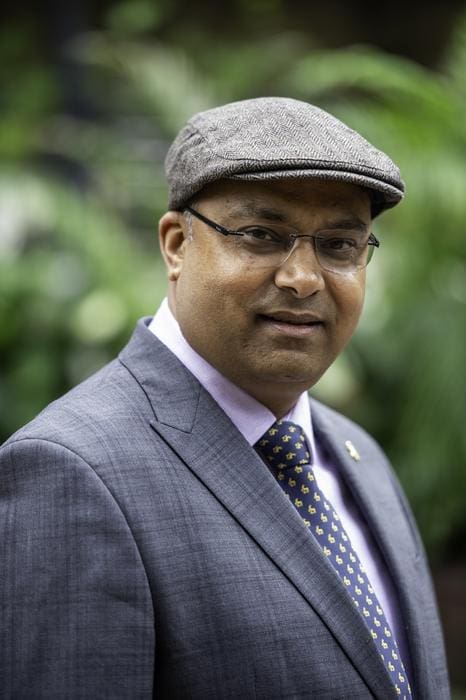
Professor Prashant Kumar, principal investigator of the project and Founding Director of the Global Centre for Clean Air Research at the University of Surrey, said:
“Our country’s most vulnerable need a step-change in how we adapt to volatile weather and transform built environments, like streets, where limited space restricts the scope for interventions. Working hand-in-hand with communities, charities, businesses, and local councils, we’ll create tailored DIY greening solutions as a “prescription” for urban streets – from green walls to front and back gardens. With state-of-the-art monitoring, communities will see improvements in air quality, temperature, and biodiversity firsthand.
“This project, building on the foundations of the RECLAIM Network Plus, is about empowering communities to shape a better future for themselves and their loved ones, ensuring they are part of the climate solution.”
By partnering with councils, charities, and local groups in the South West and South East, GP4Streets will directly engage citizens, creating community leaders to champion these efforts. Workshops and user-friendly guidelines will support lasting change, helping more communities embrace climate-resilient solutions.
Ben McCallan from the charity Zero Carbon Guildford said:
“There are multiple barriers to implementing green solutions, so we are really looking forward to teaming up with GCARE on this project, as we did with the UK’s first ‘living gate’ installation at Sandfield Primary, to see how we can remove those blockers.
“In Guildford, there are areas that have a frightening level of nitrogen dioxide, and we are keen to work with GCARE to help citizens improve the air quality of their communities.”
Sarah Jackson, Green Infrastructure and Climate Resilience Manager, Bath and North East Somerset Council, said:
“The GP4Streets project will support Bath and North East Somerset Council’s priorities to tackle the climate and ecological emergencies and improve health in our communities. We have a strategy to green our neighbourhoods, and this research will help us to optimise green infrastructure interventions for individual streets and identify where investment will have most impact.”
Maris Heath, Cabinet Member for Environment – Surrey County Council said:
“The GP4Streets Project is a fantastic opportunity to enhance our capabilities on our priority programmes of the Surrey Adapt Strategy. We are delighted to work with the University of Surrey, and the consortium across the country and to deliver benefits where they are most needed to enhance climate resilience.”
Article Source:
Press Release/Material by University of Surrey
Featured image credit: Sky Eye Imagery | Pexels