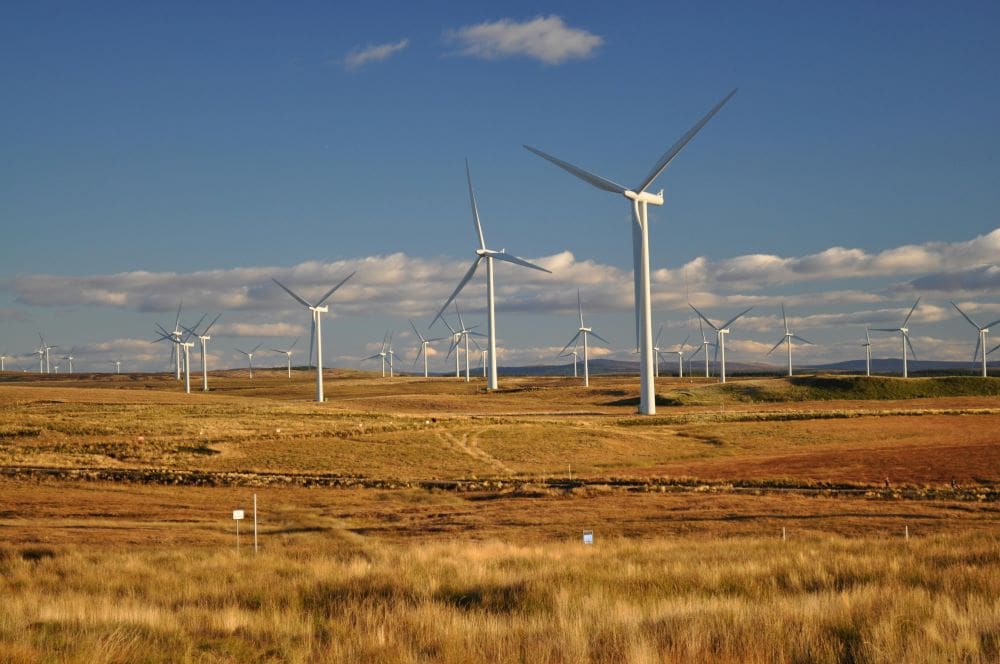
In a historic achievement for Germany, renewable energy sources made up 59% of the country’s electricity generation in 2024, marking a steady rise from 56% in 2023.

For the first time, wind and solar surpassed fossil fuels, reflecting the impact of policies aimed at accelerating the transition to green energy. These include streamlined wind farm permitting processes and an expansion of solar energy installations.

Authorities reported a significant shift in the energy mix, with fossil fuel usage dropping by over 10%. Onshore wind contributed a substantial 25% to electricity generation, while solar energy saw the largest increase among renewables.

Nordergründe offshore wind farm in the North Sea, Germany (s renewable energy)
Nordergründe offshore wind farm, North Sea, Germany. Credit: European Union, Copernicus Sentinel-2 imagery

The image, captured by the Copernicus Sentinel-2 satellite on 15 October 2024, shows the Nordergründe offshore wind farm in the North Sea near Germany’s coast.

As part of the EU’s Copernicus program, the satellite delivers high-resolution data essential for tracking climate and energy trends. Services like the Copernicus Climate Change Service provide vital insights into renewable energy forecasts, including wind, solar, and hydroelectric capacity factors, ensuring informed decisions for Europe’s energy future.

Featured image credit: European Union, Copernicus Sentinel-2 imagery

Image: hydrogen molecule illustration concept
Atomically controlled MXenes enable cost-effective green hydrogen productionScience

Atomically controlled MXenes enable cost-effective green hydrogen production

KIST researchers develop atomically controlled MXenes as water electrolysis catalyst support. Molybdenum-based MXene electrocatalyst support reduces the cost of green hydrogen production. By National Research…
SourceSourceJuly 15, 2024 Full article
Satellite Image: Lake Balaton, Hungary
Image of the day: Lake Balaton freezes after nine-year gapNews

Image of the day: Lake Balaton freezes after nine-year gap

Lake Balaton, Central Europe’s largest freshwater lake, is a defining feature of Hungary’s landscape and a vital ecological and economic resource. In winter, the lake…
Muser NewsDeskMuser NewsDeskJanuary 23, 2026 Full article
Illustration EU green business (s. European Parliament, climate)
European Parliament votes in favor of exiting the Energy Charter TreatyNews

European Parliament votes in favor of exiting the Energy Charter Treaty

BRUSSELS – In a decisive move reflecting growing environmental concerns, the European Parliament has voted overwhelmingly to recommend the EU's withdrawal from the Energy Charter…
Adrian AlexandreAdrian AlexandreApril 24, 2024 Full article