
Istanbul, Turkey | AFP
A rare blanket of heavy snow fell on parts of northeastern Turkey on Friday as the rest of the country sweltered in searing summer heat with firefighters battling wildfires, local media reported.
Experts say human-driven climate change is causing more frequent and more intense extreme weather events, from droughts to heatwaves and hailstorms.
Temperatures plunged in several mountainous areas inland from Rize, a town on Turkey’s northeastern Black Sea coast, that lies about 120 kilometres (75 miles) from the border with Georgia.
Gencaga Karafazlioglu, a local journalist from Rize, said the area — which is known for its lush greenery and heavy rainfall — was used to unusual weather but said he had never before seen snow in July.
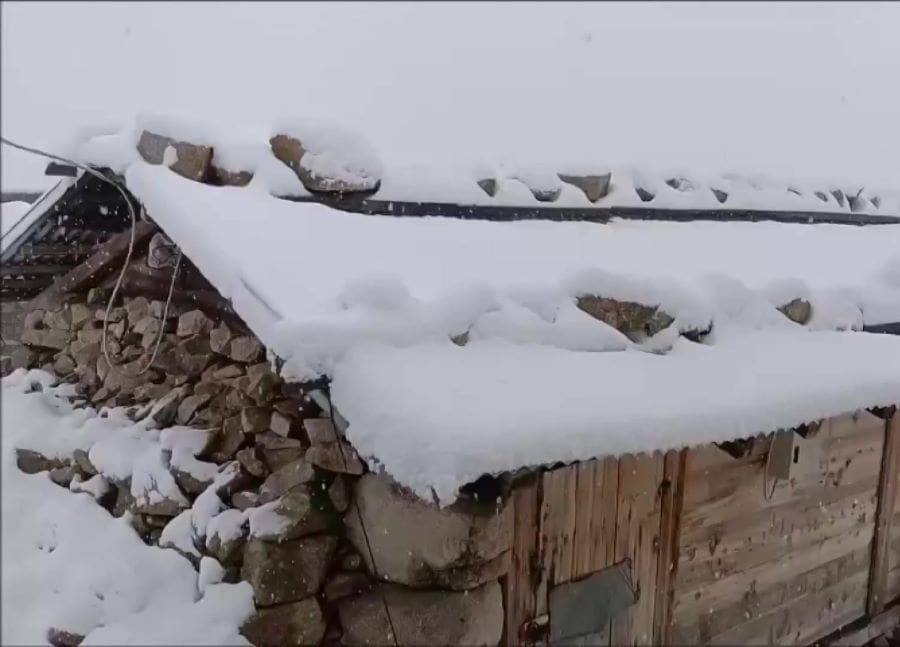
“It’s been snowing for about four or five hours. I’m 65 years old, I’ve lived in Rize for most of my life, and this is the first time I’ve seen snow in July,” he told AFP.
“In Rize, we’re used to weather anomalies. We’ve had snow several times in March but never this much. The older generation say they saw snow in July 30 or 40 years ago but never this much.”
In Ovit Yaylasi, a plateau some 2,500 metres above sea level, the fields could be seen blanketed in white, the overhead skies heavy with snow, footage on social media showed.
The snowfall covered an area stretching at least 100 kilometres, from Anzer Yaylasi plateau through the Kackar Mountains National Park and beyond, in a region known for its livestock farming.
“The town of Artvin was the worst hit,” Karafazlioglu said of a town 50 kilometres inland that lies 350 metres above sea level.
The whiteout came as firefighters battled a string of wildfires in Izmir province, some 1,600 kilometres to the west, where temperatures were forecast to hit 40 degrees Celsius (104 degrees Fahrenheit) in the coming days.
bur-hmw/gil
© Agence France-Presse
Article Source:
Press Release/Material by AFP
Featured image credit: Aaron Burden | Unsplash