Summary:
Flooding can carry industrial contaminants into neighborhoods, increasing concern about future storms, particularly in communities of color, according to new research published in Natural Hazards Review. Researchers from Rice University and the University of Alberta examined Houston residents’ experiences during Hurricane Harvey in 2017, focusing on how suspected contamination shaped long-term worries.
The study found that people who believed their areas were contaminated reported higher anxiety about future flooding, including risks to their health, homes, and local infrastructure. These effects were strongest in Black and Latino communities, reflecting unequal exposure to environmental hazards.
Lead author Jim Elliott, sociology professor at Rice, said industrial pollution and climate risks are increasingly linked, while Alex Priest, environmental sociology professor at Alberta, added that the psychological impact of toxic flooding is far greater than flooding alone. The findings suggest a need for integrated planning to address industrial contamination and climate resilience in coastal urban areas.
Toxic fear: New study suggests flood-driven contamination deepens climate anxiety in vulnerable communities
Jim Elliott, professor of sociology at Rice, said industrial activity has not only contributed to climate change but also produced enormous amounts of contamination at risk of remobilization during local flood events. Elliott is the lead author of the study published in Natural Hazards Review.
“We wanted to see how these dynamics are affecting people’s worries about the future, particularly in coastal communities defined more by ongoing industrial activities than tourism,” he said.
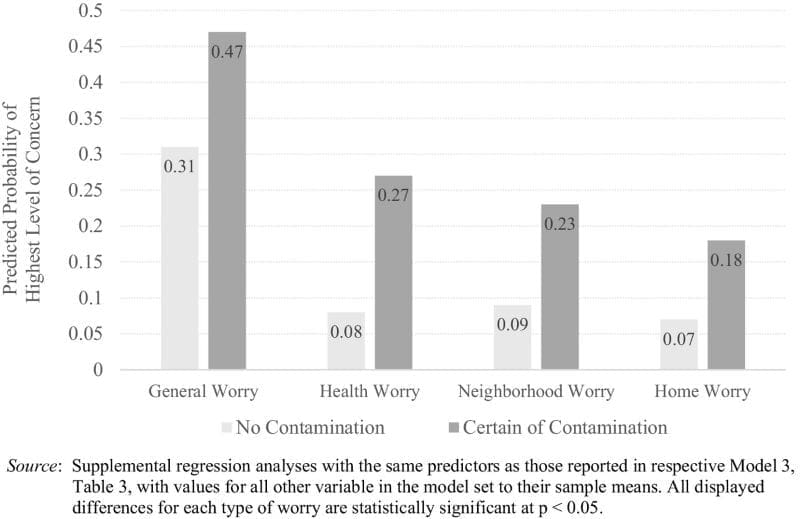
The scholars focused on Houston, analyzing survey data on residents’ experiences during Hurricane Harvey in 2017 and their worries about future flood events. The researchers found that residents who suspected their neighborhoods were not only flooded but also contaminated by the storm expressed significantly higher concern about future flooding, not just in general but also in terms of likely impacts to their home, health and neighborhood – pillars of community resilience.
“In terms of climate anxiety, it seems it’s one thing to flood, but it is quite another thing for that flood to be toxic,” said Alex Priest, professor of environmental sociology at the University of Alberta. “When that happens, residents worry a lot more about their climate futures.”
The researchers found that this dynamic is particularly acute in communities of color, where suspected exposure to toxic floodwaters during Harvey was much more common. “It’s really quite stark,” said Phylicia Brown, research affiliate at Rice’s new Center for Coastal Futures and Adaptive Resilience (CFAR). “We find that the average Black resident impacted by Hurricane Harvey would need to increase their household income by more than $200,000 to achieve the same protection as the average white resident from suspected contamination. That amount is even higher for Latino residents in our study.”
Elliott said the findings show an urgent need for new flood strategies in America’s coastal industrial communities.
“We need to stop thinking of industrial pollution and rising climate risks as separate environmental challenges,” he said. “More and more they are connected and call for planning at all levels of government to make the places where they collide safer and more resilient for generations to come.”
Stephen Brown, a graduate fellow in sociology at Rice, added: “The good news is that if we act now, we can help reduce worries that residents have about their long-term futures in the places they call home.”
The researchers are working with local nonprofit organizations to address these ongoing challenges through Rice’s CFAR.
Journal Reference:
James R. Elliott, A. Alexander Priest, Phylicia Lee Brown, and Stephen J. Brown, ‘Toxic Fear: Climate, Contamination, and Worries about Future Flooding in Coastal Industrial Communities’, Natural Hazards Review 27, 1 (2025/2026). DOI: 10.1061/NHREFO.NHENG-2568
Article Source:
Press Release/Material by Kat Cosley Trigg | Rice University
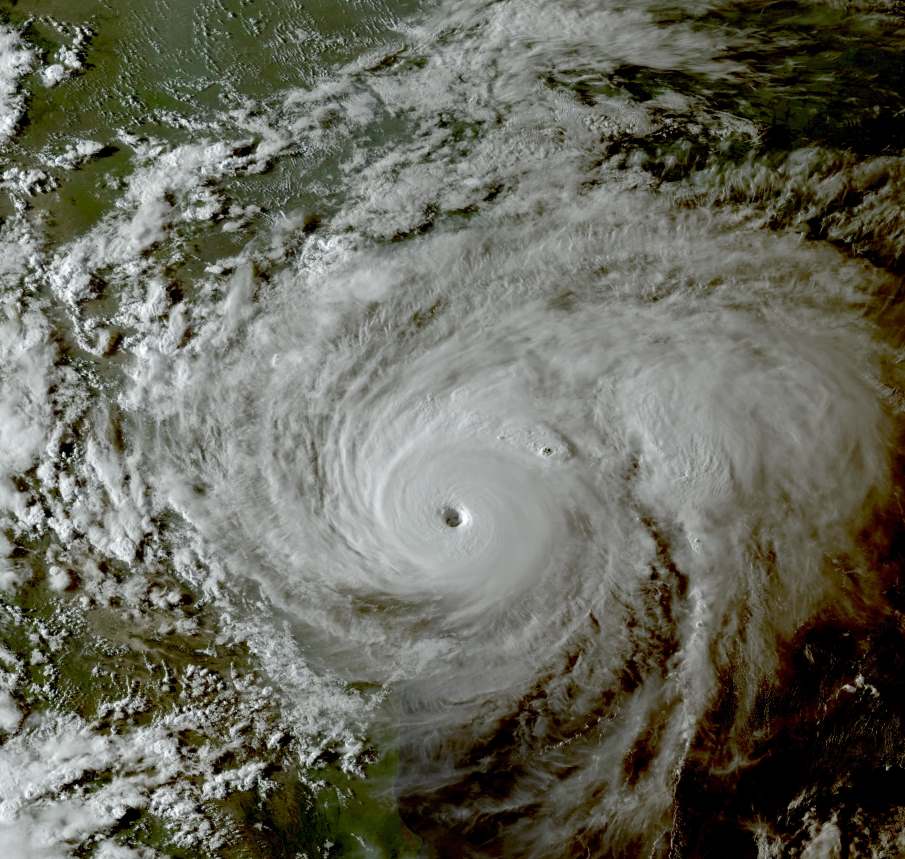
Featured image: Hurricane Harvey near its peak intensity while approaching Texas on August 25, 2017. Credit: ABI imagery from NOAA’S GOES-16 Satellite, Public domain, via Wikimedia Commons