London, United Kingdom | AFP | Muser NewsDesk
Fierce winds battered France and Britain on Friday as Storm Goretti barrelled through northern Europe, cutting power to hundreds of thousands of households in plunging winter temperatures.
Forecasters from Britain to Germany urged people to stay inside as they issued weather warnings, including the rare, highest-level red wind alert for the British Isles of Scilly and Cornwall in southwestern England.
In France, some 380,000 households lost power, the vast majority in the northern Normandy region, the Enedis power provider said, while the BBC said some 65,000 households lost electricity in Britain.
Overnight, wind gusts of 216 and 213 kilometres per hour (134 miles, 132 miles ) were registered in France’s northwestern Manche region, authorities said.
The squalls felled trees in several regions, with at least one crashing on residential buildings in France’s Seine-Maritime region, without injuries, authorities said.
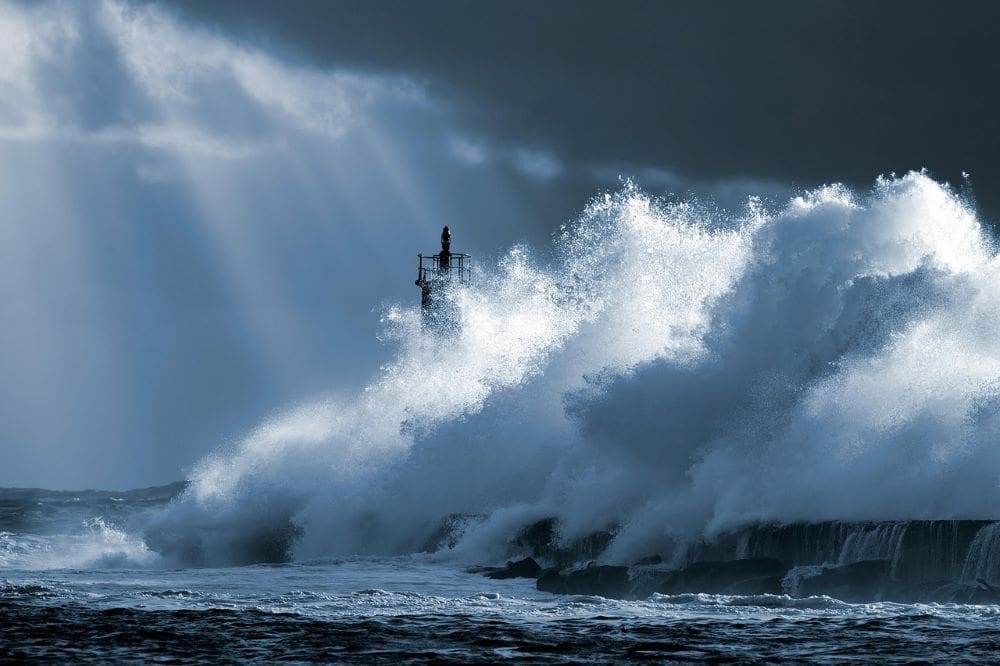
Gusts of up to 160 kilometres (100 miles) per hour were expected in parts of Britain and “very large waves will bring dangerous conditions to coastal areas,” Britain’s Met Office said.
It also issued an amber snow warning in Wales, central England and parts of northern England, predicting snow of up to 30 centimetres (11 inches) in some areas.
The UK’s National Rail has said train services will be affected over the next two days, and called on people to avoid travel unless necessary.
School cancelled, travel disruption
Schools remained shut in northern France, where weather alerts have been issued in 30 other regions.
“Take shelter and do not use your vehicle,” the Manche prefecture warned on X on Thursday, urging residents to prepare emergency lighting and a drinking water supply.
Europe’s current extreme weather conditions have caused at least eight deaths, and on Thursday police in the Albanian city of Durres pulled a man’s body from floodwater following days of heavy snow and torrential rain across the Balkans.
In Germany, heavy snow and winds in the north were set to affect schools, hospitals and transport links.
Up to 15 centimetres of snow (six inches) could fall in the north, and there was a risk of icy conditions in the south, according to the German Weather Service (DWD).
Temperatures this weekend could plunge to as low as -20 °C in certain areas, DWD meteorologist Andreas Walter told AFP.
Some areas have announced schools will shut on Friday, including in the northern cities of Hamburg and Bremen.
In Hamburg, the weather had already caused delays and cancellations on the public transport network on Thursday.
The national rail company Deutsche Bahn warned of significant delays in the coming days and has mobilised more than 14,000 employees to clear snow from tracks and platforms.
‘Consequence of climate change’
The DWD said the storm is expected to last until Saturday, with snowfall stopping on Monday.
Walter said the storm was an exception when compared to the last few years of milder winters, which were a “consequence of climate change.”
“It’s still possible to have a cold month with snow, even as temperatures rise due to climate change, but such events will become rarer in the future,” he said.
burs/yad/abs
© Agence France-Presse
Article Source:
Press Release/Material by AFP
Featured image credit: Didier | Pixabay