Record snowfall in Japan in February 2026 follows weeks of relentless winter weather that began in late January, when powerful cold air masses settled over the country and repeatedly funnelled snow clouds toward the Sea of Japan coast. What started as a severe cold spell quickly evolved into one of the most disruptive snow episodes in recent years.
Since the end of January, heavy accumulations have affected wide areas of northern and central Japan. Prefectures along the Sea of Japan, including Niigata, have recorded particularly deep snowpacks, with drifts piling up in urban streets and across farmland. Transport networks have faced repeated disruption, from suspended train services to blocked highways, while local authorities have reported dozens of deaths and hundreds of injuries nationwide, many linked to roof clearing, falling snow and traffic accidents on icy roads.
Meteorological officials have warned that rising temperatures toward the end of the cold spell may bring new dangers. As compacted snow begins to thaw, the risk of avalanches, landslides and falling ice from rooftops increases. River levels are also under close watch in areas where rapid melt could trigger localized flooding.
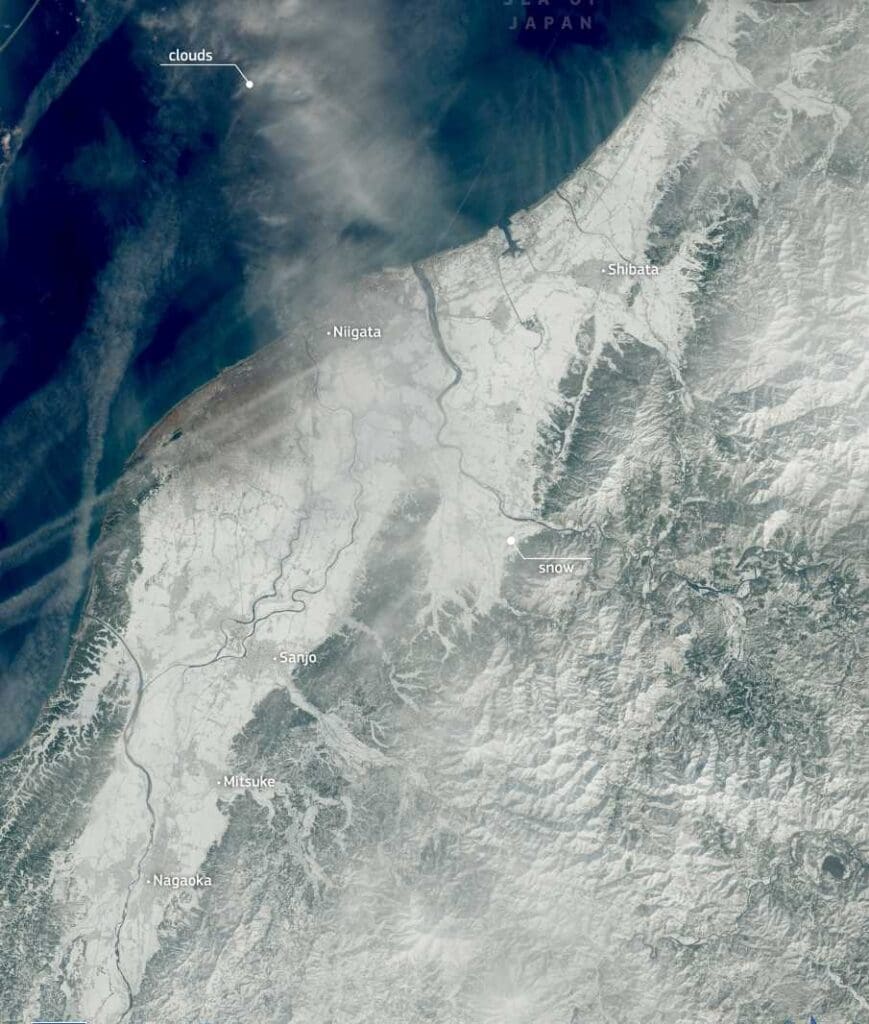
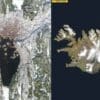
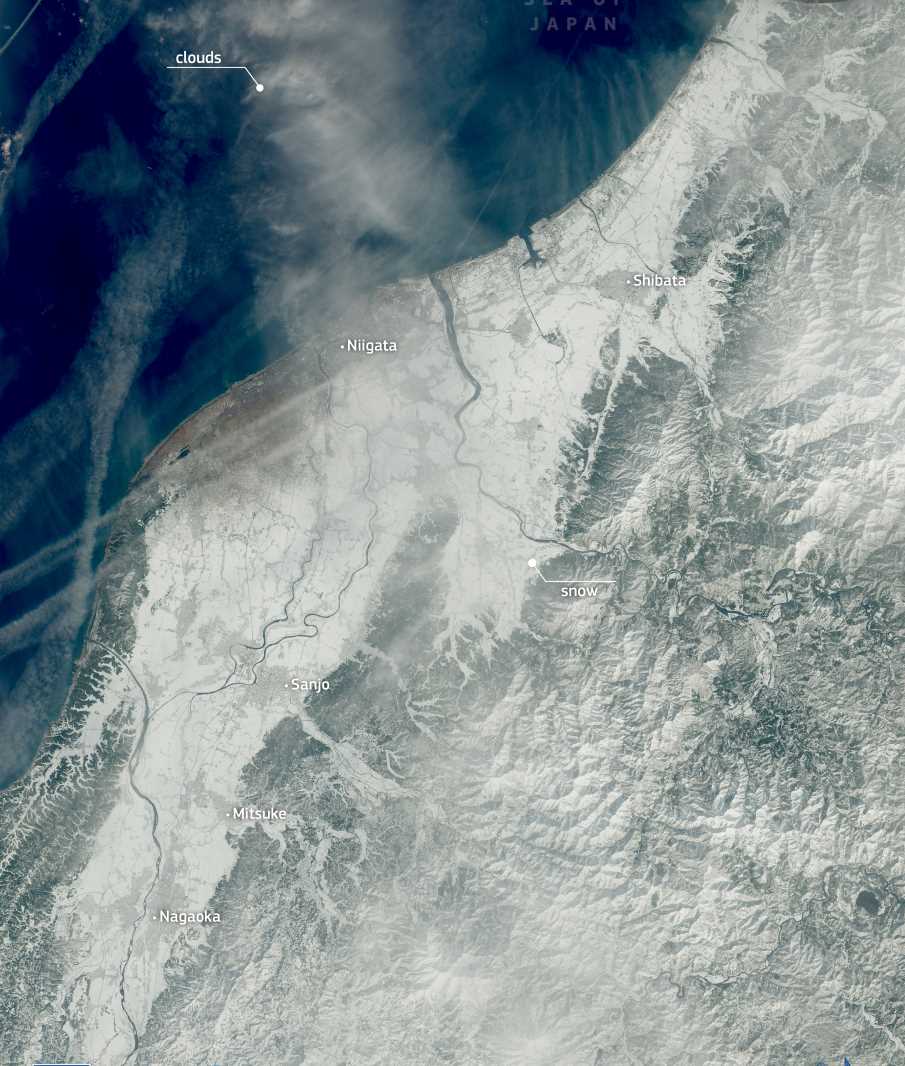
Acquired by one of the Copernicus Sentinel-2 satellites on 10 February 2026, the scene over Niigata Prefecture captures the scale of the event. The coastal plain and surrounding mountains appear almost entirely white, with towns and cities faintly visible beneath an expansive snow cover stretching from inland highlands to the Sea of Japan.
Beyond its visual impact, satellite monitoring plays a practical role during extreme winters. Copernicus data allow specialists to map the extent and persistence of snow cover across Japan, supporting assessments of infrastructure strain, agricultural impacts and potential hazard zones as conditions evolve.
From late January into mid-February, Japan’s record snowfall has left a mark not only on the landscape but also on daily life, as communities contend with both the weight of accumulated snow and the shifting risks that follow.
Featured image credit: European Union, Copernicus Sentinel-2 imagery