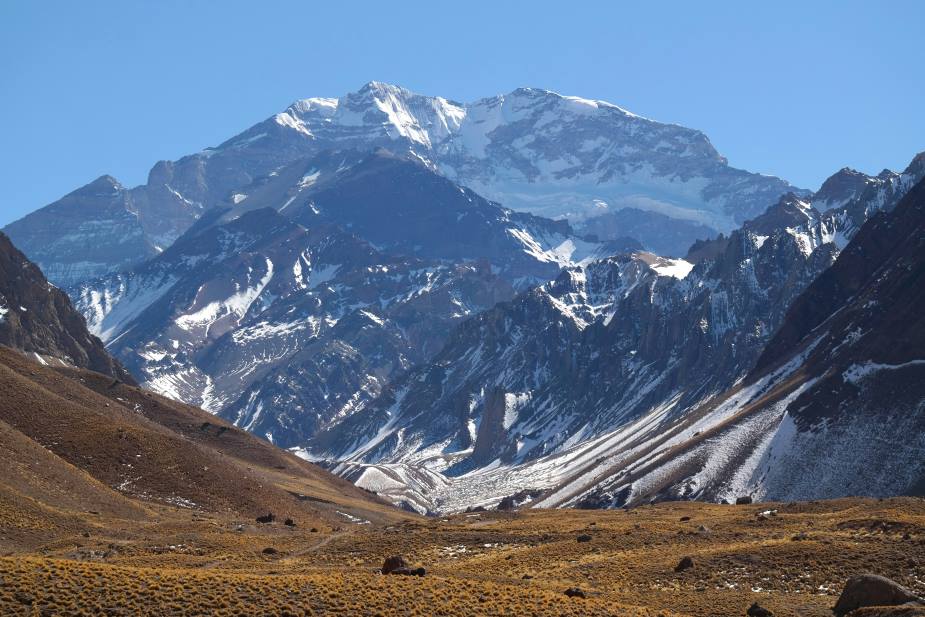
High in the Andes, Peru’s puna grasslands offer a vital lifeline for Andean bears, commonly known as spectacled bears, named for the distinctive markings around their eyes.
These vulnerable creatures, endemic to South America, rely heavily on the grasslands for nourishment, specifically the bromeliad plants that form a staple of their diet. However, their ability to thrive depends on the careful balance of this delicate ecosystem, which is increasingly threatened by human activity and climate change.
A new study published in PLOS ONE by Nicholas Pilfold of the San Diego Zoo Wildlife Alliance and colleagues sheds light on the precise foraging habits of Andean bears (Tremarctos ornatus) and highlights the importance of conserving these high-altitude habitats.

Researchers conducted extensive surveys in the puna grasslands of Peru’s Manu National Park, focusing on two species of bromeliads: Puya leptostachya and Puya membranacea. Using field observations and trail cameras, they discovered that Andean bears target specific patches of bromeliads, especially during the dry season when young, tender plants are abundant. These younger plants, found on steep, east-facing slopes at the edges of cloud forests, provide the bears with optimal nutrition and are easier to digest.
Despite their dependence on the grasslands, Andean bears foraged in just 16.7% of the surveyed bromeliad patches, avoiding areas with livestock. Interestingly, they were observed in regions where livestock grazing had ceased decades earlier, suggesting their adaptability to recovering ecosystems.
The study’s findings show the impact of human activity on bear behavior. Livestock grazing not only depletes bromeliads but also disrupts the bears’ foraging patterns. While Andean bears avoid areas with active livestock, their willingness to return to restored grasslands shows promise for conservation efforts. Protecting these habitats and reducing livestock impacts could help the bears reclaim lost territories and ensure their survival in the wild.
“Using the largest collection ever of field data on the feeding behavior of Andean bears in high elevation grasslands, we found that the bears actively selected for specific food resources within the grasslands, indicating that these areas are of nutritional importance to the bears,” the authors noted. “We also found Andean bears strongly avoided areas with livestock impacts to the grasslands, but that the cessation of livestock keeping restored the grasslands into areas Andean bears prefer within a short timeframe.”
High-altitude grasslands serve as a critical buffer between cloud forests and human settlements, offering a space for Andean bears to forage safely. To safeguard these vulnerable creatures, conservation managers must prioritize the protection of puna ecosystems, addressing livestock encroachment and supporting habitat restoration.
Journal Reference:
Pilfold NW, Mateo-Chero D, Farfan-Rios W, Watsa M, Owen MA, Van Horn RC, ‘Andean bears (Tremarctos ornatus) display selective behaviors while foraging bromeliads (Puya spp.) in high elevation puna grasslands’, PLoS ONE 19 (12): e0314547 (2024). DOI: 10.1371/journal.pone.0314547
Article Source:
Press Release/Material by PLOS
Featured image credit: vladimircech | Freepik