Remote Sensing

Remote sensing is the collection and analysis of information about Earth’s surface and atmosphere from a distance, typically using satellites, aircraft, drones or sensor-based instruments. It is used to monitor environmental conditions and changes such as vegetation, land use, ocean conditions, weather, wildfires and ice cover. Remote sensing plays a central role in climate research, disaster monitoring, environmental management and Earth observation systems.

An Alaskan town facing erosion and sea level rise had to abandon its airport and repurpose the runway for housing
Arctic infrastructure faces climate-driven instability by 2100Climate

Arctic infrastructure faces climate-driven instability by 2100

Coastal communities and infrastructure across the Arctic are under severe threat from erosion, sea level rise, and permafrost thaw, according to the first comprehensive pan-Arctic…
Muser NewsDeskMuser NewsDeskDecember 17, 2024 Full article
A tree in the globe hovering in desert - abstract image (s. research, science, climate)
Muser Press – New Research Articles Week 48, 2024Science

Muser Press – New Research Articles Week 48, 2024

Discover the latest articles from leading science journals in the Muser Press weekly roundup (Week 48, 2024), showcasing impactful research published this week. In brief:…
Muser NewsDeskMuser NewsDeskDecember 1, 2024 Full article
Image: elephants at a waterhole
Unraveling the mystery behind Botswana’s elephant deaths with remote sensingClimate

Unraveling the mystery behind Botswana’s elephant deaths with remote sensing

The 2020 deaths of 350 African elephants in Botswana drew worldwide attention, sparking debate over the potential role of cyanotoxins in water sources as a…
SourceSourceNovember 30, 2024 Full article
Image: Aerial view of the lake next to the beautiful forest
Satellite imagery offers new hope for coastal forests threatened by climate changeClimateNews

Satellite imagery offers new hope for coastal forests threatened by climate change

As climate change accelerates sea-level rise, coastal forests face an escalating risk of being overtaken by marshes and open waters. A recent study by North…
Adrian AlexandreAdrian AlexandreNovember 5, 2024 Full article
Image
Ozone monitoring sees significant advances, researchers reportScience

Ozone monitoring sees significant advances, researchers report

Recent developments in the monitoring of tropospheric ozone, a critical component in the formation of smog, show promising advancements, according to a study led by…
Muser NewsDeskMuser NewsDeskAugust 29, 2024 Full article
If the Earth continues to warm up, climate change will have a greater impact on the Earth's rotational speed in the future than the Moon has done so far
How climate change is altering the Earth’s rotationClimate

How climate change is altering the Earth’s rotation

When the Earth’s ice masses melt, the way the planet rotates also changes. Researchers at ETH Zurich have now been able to show how climate…
SourceSourceJuly 15, 2024 Full article
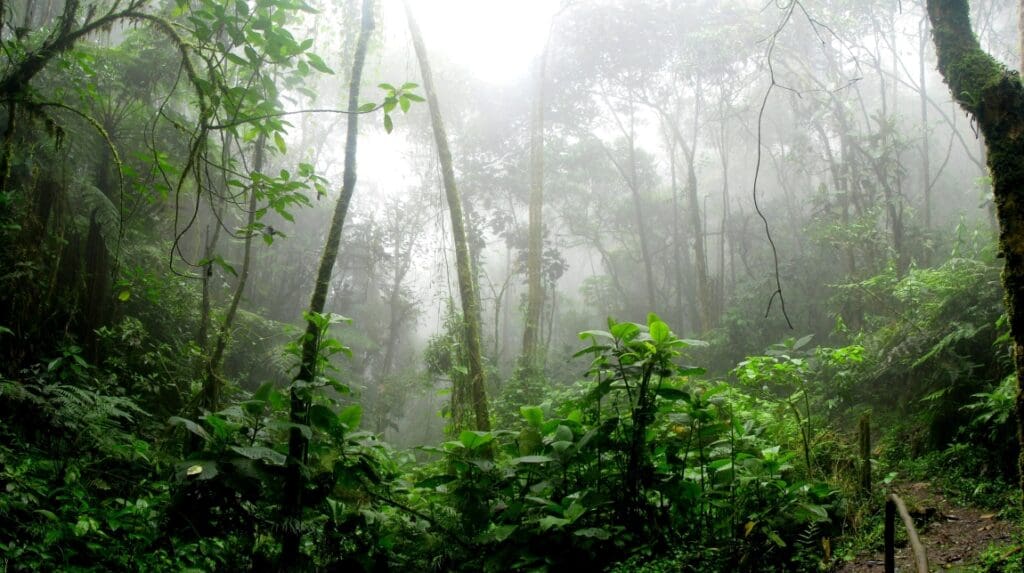
Image: Dense misty rainforest in San Antonio Del Tequendama, Colombia, showcasing vibrant green foliage (s. Amazon)
When in drought: Researchers map which parts of the Amazon are most vulnerable to climate changeScience

When in drought: Researchers map which parts of the Amazon are most vulnerable to climate change

In the late 2000s, Scott Saleska noticed something strange going on in the Amazon rainforest. In 2005, a massive drought struck the region. Two years…
SourceSourceJune 20, 2024 Full article
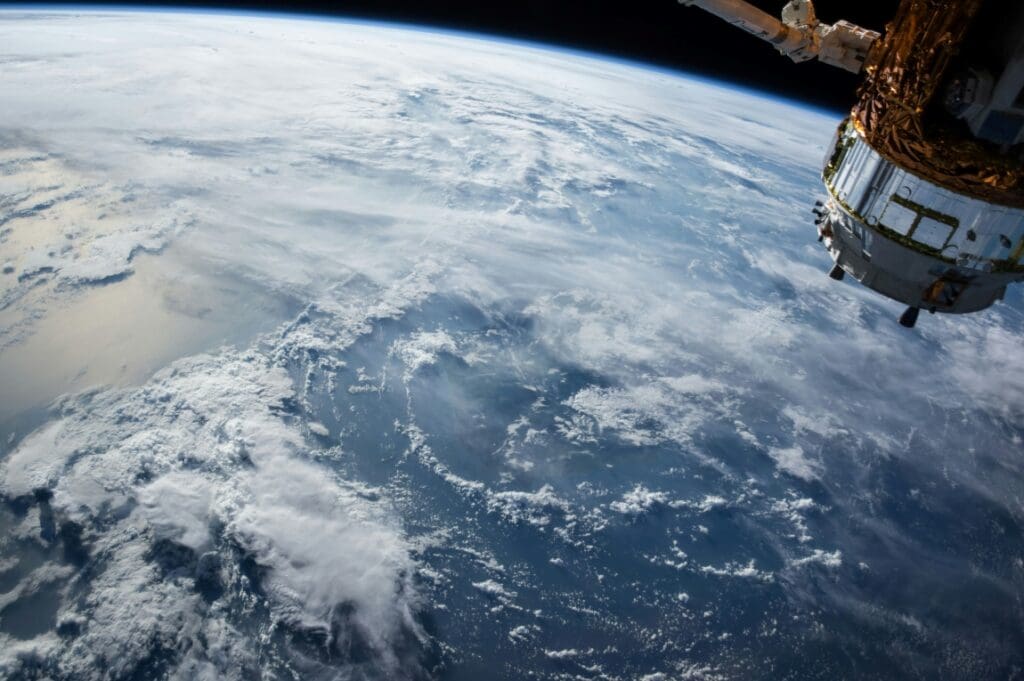
Image: View of Earth and satellite
Planetary boundary layer revealed: satellites illuminate atmospheric mysteriesScience

Planetary boundary layer revealed: satellites illuminate atmospheric mysteries

Unlocking the secrets of Earth's planetary boundary layer (PBL), a pivotal zone influencing air quality and climate, a new study offers unprecedented insights into atmospheric…
SourceSourceJune 18, 2024 Full article
Image: Desert (s. aquifer, climate change, water resources, remote sensing)
Airborne technology brings new hope to map shallow aquifers in Earth’s most arid desertsScience

Airborne technology brings new hope to map shallow aquifers in Earth’s most arid deserts

Airborne sounding radars can perform comprehensive mapping within a few hours compared to existing in-situ methods that would take a few years. Water shortages are…
SourceSourceMay 17, 2024 Full article