n 4 November 2024, the Mount Lewotobi Laki-Laki volcano in eastern Indonesia erupted, impacting seven villages and killing at least ten people. Officials declared a state of emergency to ensure that aid can reach affected residents.

On 13 November, a new eruption occurred, impacting the ability of flights to land or depart from the Bali airport as volcanic material, including rock, lava, gravel and ash were spewed up to 8 kilometres into the air.

Lewotobi Copernic res
Indonesia. Credit: European Union, Copernicus Sentinel-5P imagery

This image, obtained with Copernicus Sentinel-5P data acquired on the same day, shows the sulfur dioxide (SOâ‚‚) plume released during the eruption.

The Copernicus Sentinel satellites deliver essential information on volcanic activity worldwide, informing emergency operations to help keep affected communities safer.

Featured image credit: European Union, Copernicus Sentinel-5P imagery

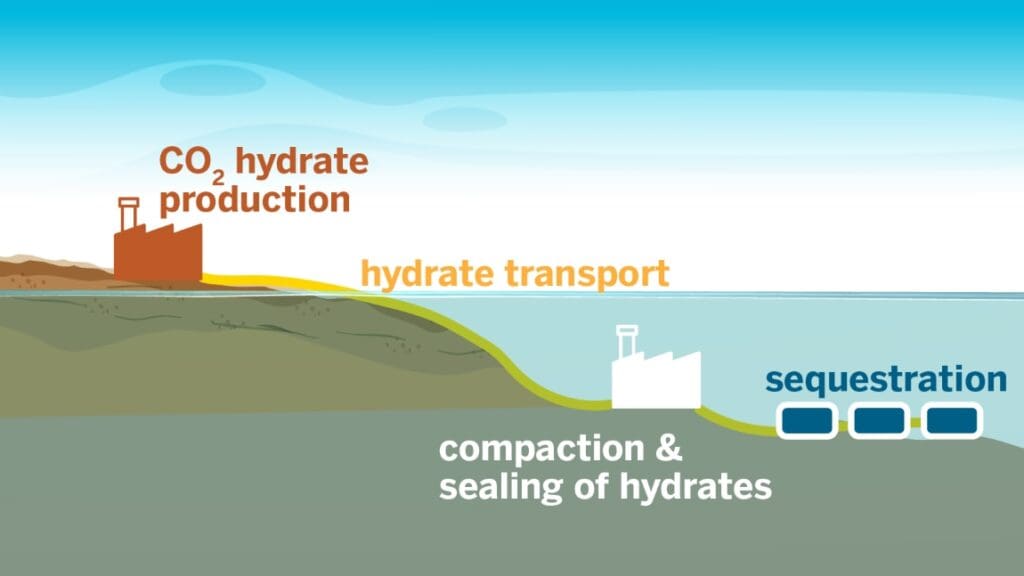
Illustration: Carbon Storage
New carbon storage technology is fastest of its kindScience

New carbon storage technology is fastest of its kind

By The University of Texas at Austin | The Cockrell School of Engineering A new way to store carbon captured from the atmosphere developed by…
SourceSourceJuly 9, 2024 Full article
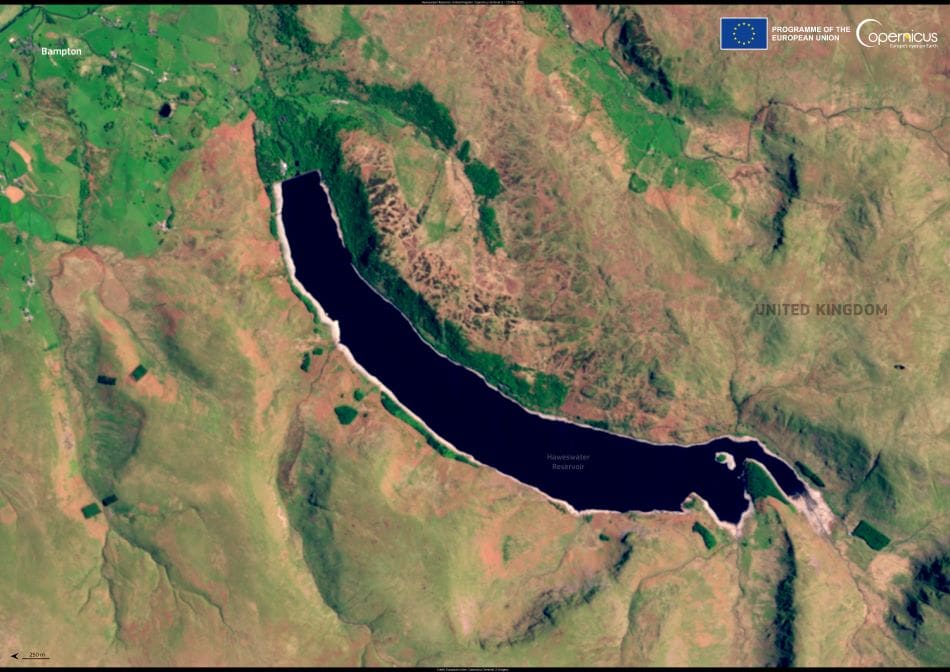
Satellite Image: The Haweswater Reservoir, United Kingdom
Image of the day: UK drought deepensNews

Image of the day: UK drought deepens

The United Kingdom is heading into summer 2025 under intensifying drought conditions, following what scientists have confirmed as the driest spring on record. Rainfall was…
Muser NewsDeskMuser NewsDeskMay 30, 2025 Full article
Image: International event logo
USP and FAPESP bring innovative technologies to international startup fair in FranceNews

USP and FAPESP bring innovative technologies to international startup fair in France

VivaTech is one of Europe's leading technology and startup events; USP and FAPESP will take researchers and disruptive technologies to the event in the areas…
SourceSourceJune 6, 2025 Full article