Recent research has revealed a promising natural process in glacial rivers and lakes that could help reduce methane emissions, a major contributor to global warming.
The study, led by Kristin Strock, Associate Professor of Environmental Studies at Dickinson College, explores how oxidation processes in these aquatic systems mitigate methane released from melting glaciers.
The findings are published in Scientific Reports.
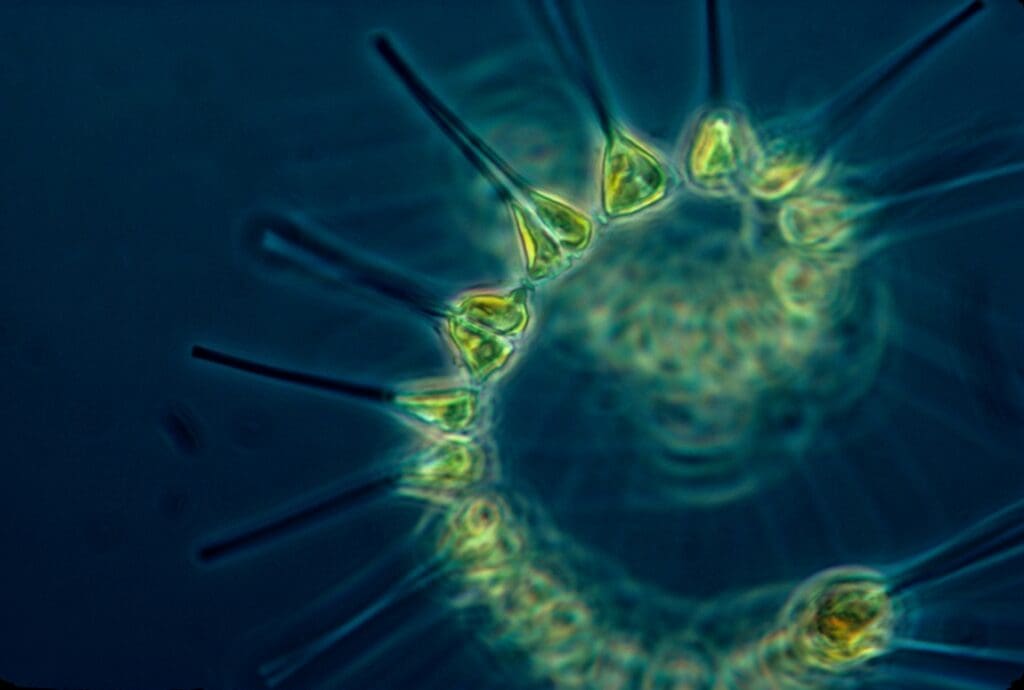
The research team, composed of scientists from Dickinson College, the University of Wisconsin-Stout, and the U.S. Geological Survey, examined methane dynamics across three Icelandic glaciers. Their analysis focused on glacial runoff in rivers and lakes, where microbial communities consume methane through oxidation. This process was found to lower methane emissions from glacial meltwater by as much as 53%, according to the study.

Strock highlighted the interdisciplinary nature of the project, which required integrating knowledge about land, ice, water, and air systems. “Studies that span the land, ice, water and air are rare, because it requires an interdisciplinary and full ecosystem kind of perspective,” Strock said. The research was initially proposed by Rachel Krewson, a former Dickinson College student, as part of her senior thesis in environmental science.
Methane is a potent greenhouse gas, second only to carbon dioxide in its contribution to climate change. Aquatic ecosystems, including those influenced by glacial melt, are major sources of methane emissions. However, the role of microbial methane oxidizers in mitigating these emissions has been understudied. The findings from this study add important data to a field where comprehensive measurements of glacial methane dynamics remain limited.
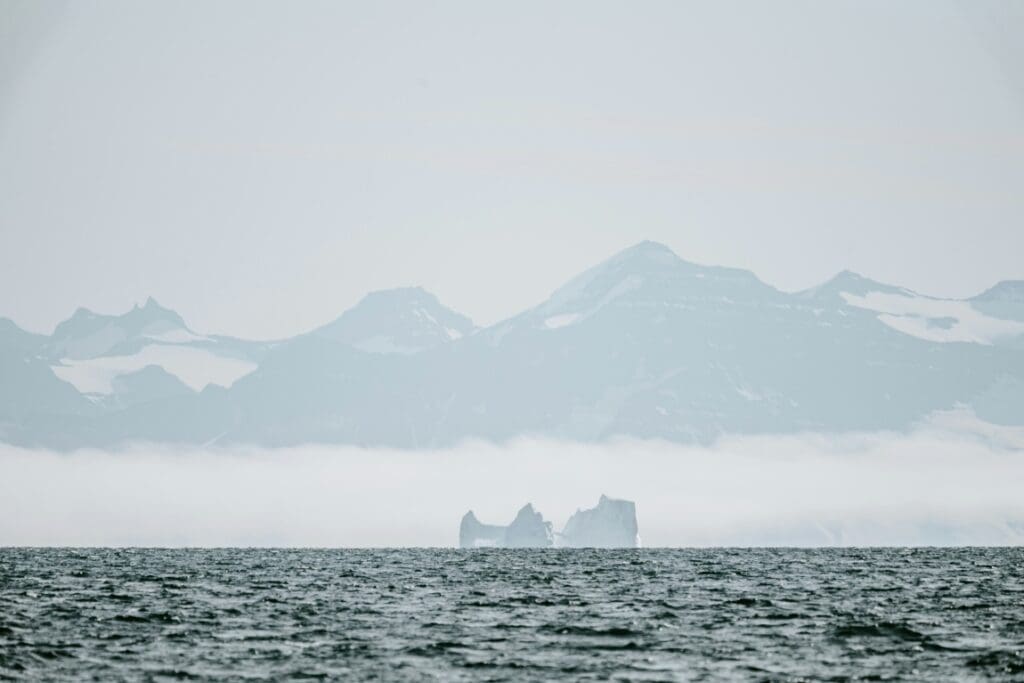
The researchers identified three key sites for oxidation in glacial systems: beneath the ice, within proglacial lakes, and in glacial meltwater rivers. Incorporating these processes into global methane budgets could provide more accurate assessments of emissions related to glacial melt.
Strock emphasized the importance of understanding methane dynamics in glacial ecosystems, especially as the pace of glacier loss accelerates with rising global temperatures. “I’m immensely proud of Rachel and our entire team of women researchers for doing this critical work in a field that’s still male-dominated,” she noted.
***
This work received funding from the National Geographic Society and in-kind support from the U.S. Geological Survey, along with contributions from The Churchill Exploration Fund and the Dickinson College Research and Development Fund.
Journal Reference:
Strock, K.E., Krewson, R., Hayes, N.M. et al. ‘Oxidation is a potentially significant methane sink in land-terminating glacial runoff’, Scientific Reports 14, 23389 (2024). DOI: 10.1038/s41598-024-73041-3
Article Source:
Press Release/Material by Dickinson College
Featured image credit: European Union , Copernicus Sentinel-3 imagery