Wildfire activity in Canada has intensified dramatically over recent decades, with severe implications for ecosystems and fire management.
A new modeling study, published in Science, reveals that rising temperatures and increasing fuel aridity are key factors driving this trend, especially in the northern boreal forests, which serve as critical carbon sinks.
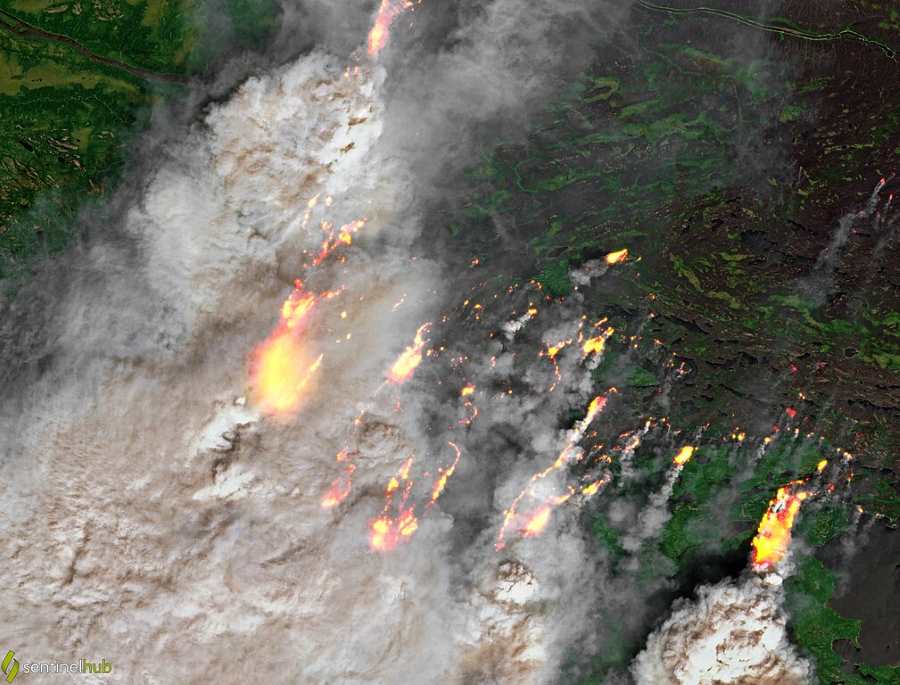
Canada, home to vast stretches of forests, has long been one of the most fire-prone regions in the Northern Hemisphere. However, recent years have seen an escalation in wildfire severity and frequency, culminating in a record-breaking fire season in 2023. That year alone, wildfires consumed an area seven times larger than the historic average. While burn severity — measuring the ecological impact of wildfires — plays a crucial role in understanding ecosystem responses and guiding fire management strategies, comprehensive national-scale studies on this metric have been scarce.
To address this gap, Weiwei Wang and colleagues analyzed four decades of spatiotemporal wildfire data, constructing a multinomial logistic regression (MLR) model to examine the drivers of burn severity across Canada’s 10 ecozones.
Their findings highlight fuel aridity — the dryness and abundance of flammable vegetation — as the most significant factor influencing burn severity. This effect was especially pronounced during the summer months, which have seen an increase in days conducive to high-severity burning since 1981.
The study also uncovered distinct regional differences. In northern Canada, changing climate conditions were the primary drivers of heightened burn severity, while in southern regions, vegetation type and fuel aridity played a more critical role. The researchers emphasized that these changes have intensified over the past two decades, reshaping wildfire dynamics across Canada’s vast and remote forests.
Commenting on the broader implications, Jianbang Gan, writing in a related Perspective, pointed to the ecological risks posed by escalating fire activity in boreal forests. “From an ecological perspective, the increase in fire activity in boreal forests, especially in the northern regions of the world, has raised grave concerns about the health and function of biomes that act as important carbon sinks,” Gan stated. He called for collaboration among the United States, Canada, and Russia, which collectively manage 93% of the world’s boreal forests, to ensure effective fire management and conservation of this vital ecosystem.
The extraordinary 2023 wildfire season underscored these findings, displaying not only the spatial patterns observed in previous decades but also unprecedented increases in burn severity. The study also identified a seasonal shift, with spring and autumn experiencing more days conducive to severe burning.
As climate change continues to amplify wildfire risks, understanding the key drivers of burn severity will be critical for policymakers, forest managers, and communities grappling with the consequences of these intensifying fire seasons.
Journal Reference:
Weiwei Wang et al. ‘Canadian forests are more conducive to high-severity fires in recent decades’, Science 387, 91-97 (2025). DOI: 10.1126/science.ado1006
Article Source:
Press Release/Material by American Association for the Advancement of Science (AAAS)
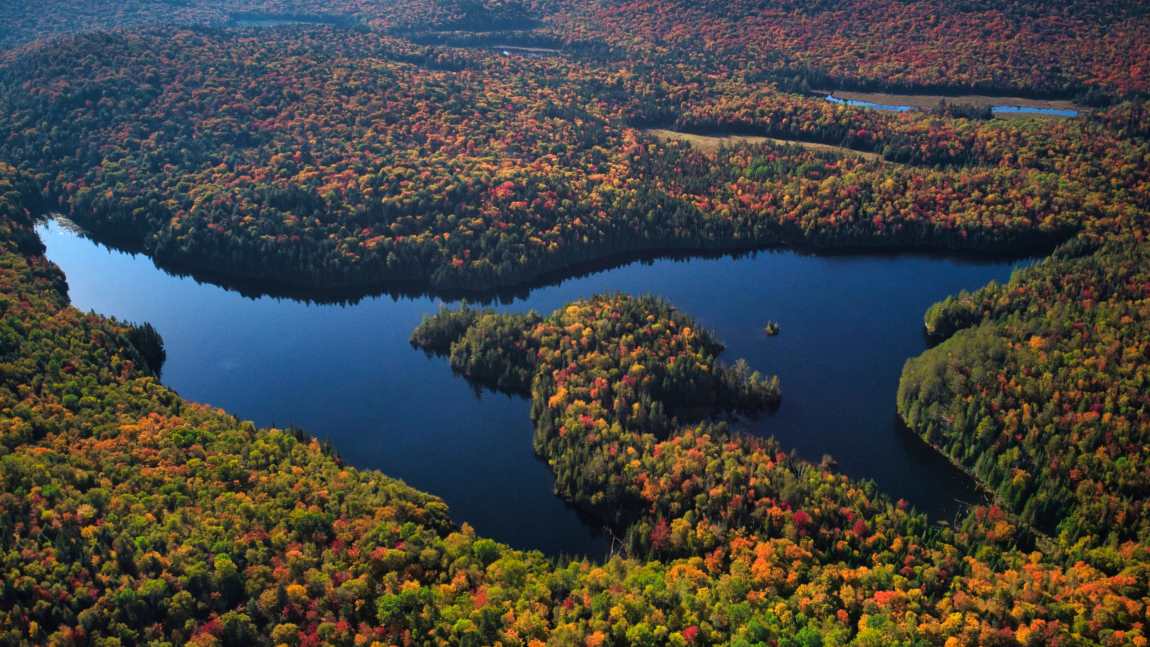
Featured image credit: Mathis Mauprivez | Unsplash