
Pollinators are not just essential for boosting crop yields — they also play a key role in determining the quality of the food we eat.
A study by researchers at the University of Göttingen, published in Trends in Plant Science, explores how pollinator behavior, pollen transfer, and crop varieties interact to influence the nutritional and commercial value of fruits and other crops.
The research suggests that prioritizing blanket pollinator conservation strategies may overlook the nuanced ways in which specific pollinator species and plant arrangements affect fruit quality, offering fresh insights into how we can optimize agricultural systems for better nutrition and sustainability.
University of Göttingen – Pollination by animals contributes to a third of global food production, but little research has been done into the extent to which the identity of pollinators, pollen and crop varieties influence fruit quality when it comes to the nutritional, sensory and commercial value of crops.
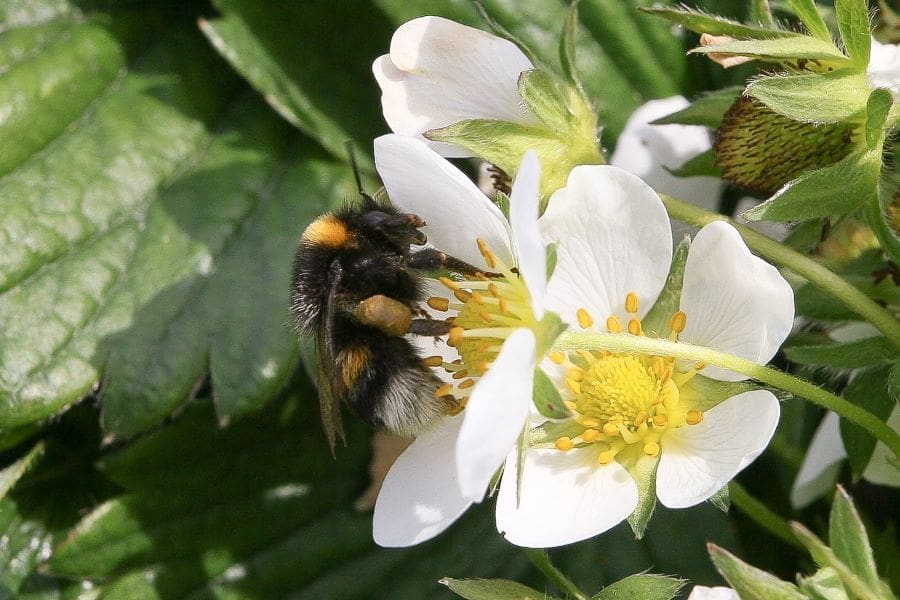
Pollinators influence the quality of crops through their movement patterns on the plantations and through the plant variety they visit.
In an article published in Trends in Plant Science , researchers from the University of Göttingen argue that the blanket promotion of pollinators has so far been too much of a priority – at the expense of plant quality, which could be improved by taking into account the species -specific behavior of pollinators and the distribution patterns of crop varieties in the field.
Animal pollination is important for two thirds of the world’s most important crops and is estimated to be worth several hundred billion US dollars per year.
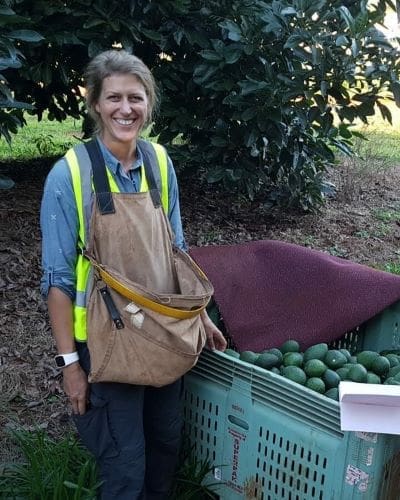
Crops that depend wholly or partly on animal pollinators (for example many fruits, nuts and pulses) contain more than 90 per cent of the vitamin C in our diet as well as nutritionally important carotenoids and antioxidants. For example, bees improve the nutritional value of rapeseed by increasing the polyunsaturated fatty acid content and total oil content, and they boost the oil content and fruit weight of avocado.
The research team from the University of Göttingen emphasizes the importance of paying attention to the specificity of the pollinator species, the crop variety and the pollen that is transferred – and how this network affects the quality of the fruit.
Pollen transfer between different varieties can fail if the behavior of the pollinators or the arrangement of the plants changes. The quality of the crop therefore depends not only on which and how many pollinators are active, but also on how different species interact spatially and temporally.
“The results of our review show that future research should not only focus on the quantity, but also more on the quality of the crops. After all, a better nutrient composition benefits the health of consumers,” emphasizes the authors Professor Teja Tscharntke, Dr Carolina Ocampo-Ariza and Dr Wiebke Kämper from the Functional Agrobiodiversity and Agroecology Group at the University of Göttingen.
“This includes promoting cross-pollination by taking into account the variety of the crop plants and the quality of the pollen. In addition, the quality of self-pollinated and cross-pollinated varieties should be compared and the design of the cultivated areas and the surrounding landscape should be organized in such a way that pollinators can move around as effectively as possible.”
Journal Reference:
Teja Tscharntke, Carolina Ocampo-Ariza, Wiebke Kämper, ‘Pollinator, pollen, and cultivar identity drive crop quality’, Trends in Plant Science (2024). DOI: 10.1016/j.tplants.2024.10.004
Article Source:
Press Release/Material by University of Göttingen
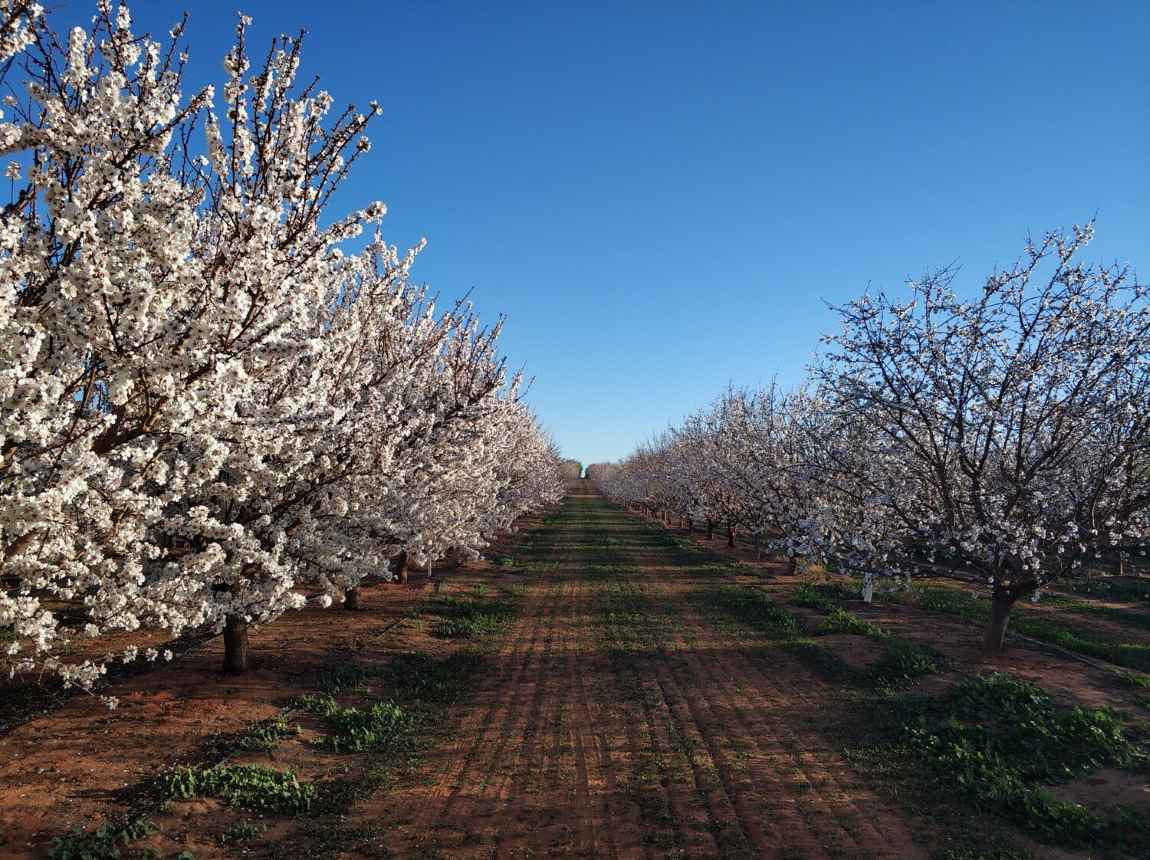
Featured image: Almond plantation in bloom in Australia. Credit: Wiebke Kämper