
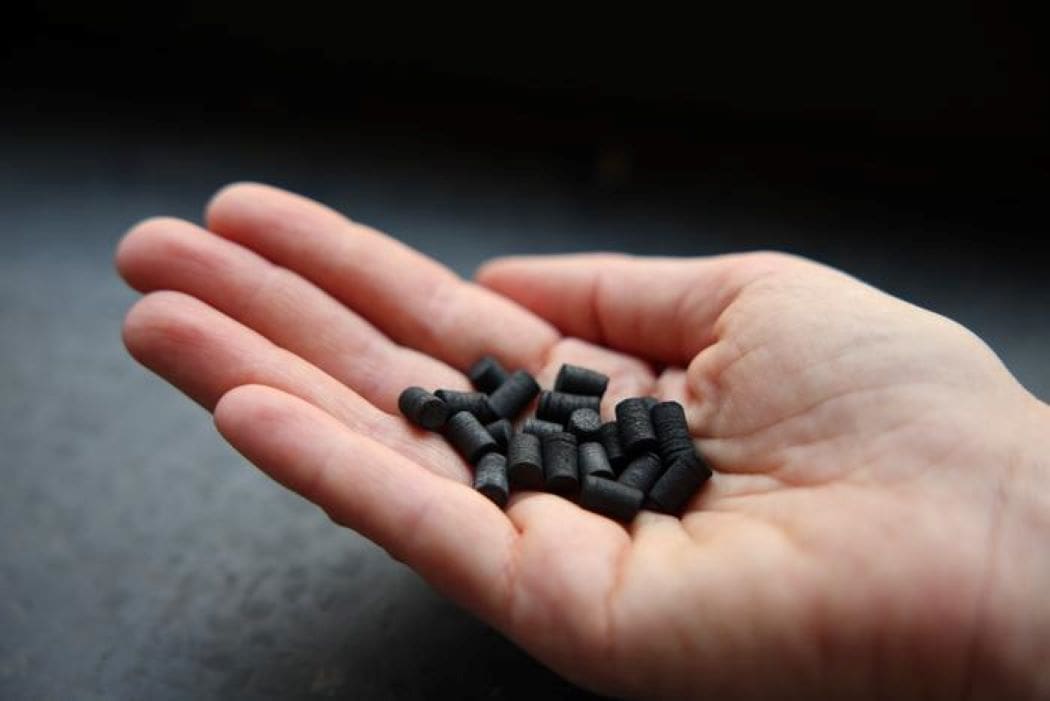
For years, biochar — an organic material produced through the pyrolysis of biomass — has been quietly recognized for its benefits in improving soil health and sequestering carbon. However, its role in long-term carbon storage has been underappreciated in key climate models, resulting in its marginalization as a tool in global mitigation strategies.
A new study led by Professor Hamed Sanei of Aarhus University, published in Biochar (Springer), is reshaping this narrative. The research challenges the carbon modeling frameworks that underpin climate policies developed by the IPCC and European Union. By uncovering critical inaccuracies in these models, the study reveals biochar’s untapped potential as a reliable, scalable, and immediate solution for carbon dioxide removal (CDR).
“Our study shows that biochar is not just a promising technology – it is an essential one,” said Professor Sanei, who heads the Lithospheric Organic Carbon Lab at Aarhus University, Denmark. His team’s findings demonstrate that biochar’s capacity for carbon storage has been significantly underestimated, particularly its long-term stability.
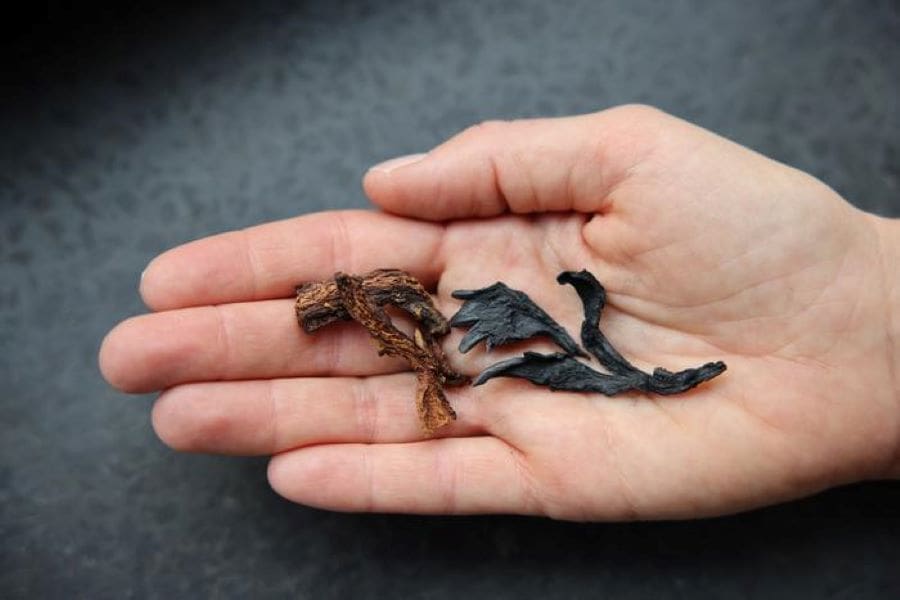
The research builds on earlier work by Sanei and his colleagues, who previously demonstrated that biochar can store carbon for millions of years. By addressing outdated assumptions embedded in climate models, the new study corrects the record, elevating biochar to its rightful position as a vital tool in the fight against climate change.
“Biochar has been a missed opportunity in the fight against climate change,” said Professor Henrik Ingermann Petersen of the Geological Survey of Denmark and Greenland (GEUS), a co-author of the study. “Our work corrects the narrative and highlights biochar’s exceptional capacity for long-term carbon storage. It’s a ready-to-implement technology that can make an immediate impact.”
The implications of this research are particularly significant for Denmark, a leader in climate innovation.
The nation has already identified biochar as central to its strategy for achieving carbon neutrality by 2050. The study provides policymakers and stakeholders with scientifically validated tools to integrate biochar confidently into carbon markets and climate strategies.
“This study provides policymakers and stakeholders with the tools they need to integrate biochar into carbon markets with confidence,” said Professor Ondrej Masek of the University of Edinburgh, another co-author.
The research was supported by Innovation Fund Denmark and the EU’s NextGenerationEU program. With accurate modeling now available, biochar and slow pyrolysis are poised to take center stage as solutions ready to scale immediately.
“This isn’t just a story about biochar — it’s about the future of carbon removal,” said Professor David Chiaramonti from Politecnico di Torino. “By improving the accuracy of our models, we unlock the potential of technologies like biochar that are ready to scale today.”
The study aims to inspire immediate action among policymakers, industry leaders, and researchers, unlocking biochar’s potential as an effective and permanent carbon storage technology that can significantly contribute to global climate goals.
Journal Reference:
Sanei, H., Petersen, H.I., Chiaramonti, D., Masek, O., ‘Evaluating the two-pool decay model for biochar carbon permanence’, Biochar 7, 9 (2025). DOI: 10.1007/s42773-024-00408-0
Article Source:
Press Release/Material by Aarhus University
Featured image: A small handful of biochar in pellet form, produced by pyrolysis. Credit: GEUS