By Society for Experimental Biology
While the impact of wildfires on terrestrial life has been well studied, only recently has research started to examine the effects of wildfire ash on aquatic organisms. New research reveals that wildfire ash can have lethal consequences on Australian water ecosystems.
Wildfires are becoming more prevalent due to the warming and drying effects of climate change, with Australia becoming especially vulnerable to dangerous bushfires. “Therefore, many Australian species may be threatened by fires,” says Miss Jenelle McCuaig, a Masters student at the University of Alberta, Canada. “This is putting them at greater risk of endangerment and possible extinction.”
Wildfires release ash into the air, which can enter aquatic environments directly or be washed into bodies of water by rainfall. “Once in the water, ash may leach metals and organic combustion products, where they can affect organisms, acquired by ingestion through intestines or respiration through gills,” says Miss McCuaig. There are also serious consequences for humans, as we rely on healthy freshwater ecosystems for water and food.

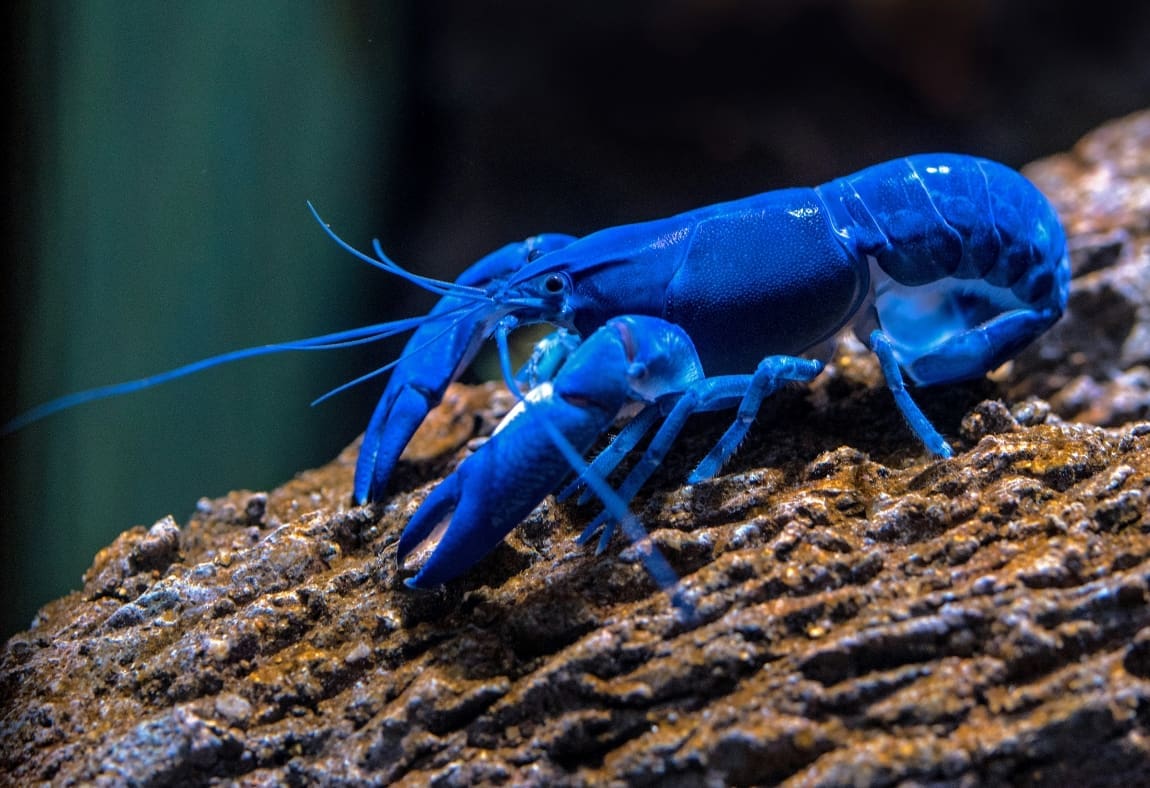
Miss McCuaig and her team focused their research on two common Australian crustacean species, a crayfish (Cherax destructor) and a shrimp (Macrobrachium australiense).
To examine the effects of wildfire ash on the crustaceans, each species was exposed to a range of ash concentrations to determine their sensitivity and likelihood of survival. Miss McCuaig then measured their oxygen consumption using a respirometry system and took tissue samples to look at their metabolic activity.
After exposure to just 5g of ash per litre of water, Miss McCuaig found that no shrimps could survive – but it took 8 times as much ash to reach complete crayfish mortality. “The huge difference in sensitivity between the two species was much greater than I expected,” says Miss McCuaig.
This research shows that even between similar species, there can be a big difference in survival response to environmental stressors such as wildfire ash. “Differences in body shape and gill structure, as well as habitat preferences, has allowed them to fulfil different niches,” says Miss McCuaig. “Crayfish demonstrated greater resilience to the ash exposure compared to the shrimp.”
For the surviving crayfish and shrimp, the individuals exposed to the highest concentrations of ash had the highest metabolic rates, suggesting a high level of physiological stress. “This is particularly concerning during ash exposure, because increased ventilation means that the animals will be taking up more of the ash particles and leached contaminants from the water, further affecting their body systems.”
“This research will allow us to identify the species that are most threatened by fires and help to inform the development of breeding programs or relocation efforts,” says Miss McCuaig. “When it comes to wildfires, resources are limited, so we must prioritise response actions.”
Miss McCuaig adds that even though many wildfires occur naturally, humans still have a responsibility to protect the living world: “Species conservation begins with wildfire prevention in the first place – it is incredibly important to be educated about, and to implement, fire-safety into our lives to mitigate human-caused wildfires”.
This research was made possible by funding from The Company of Biologists, Natural Sciences and Engineering Research Council of Canada, and the Society for Experimental Biology, as well as collaboration of the Blewett Lab and Franklin Eco-Laboratory.
This research is being presented at the Society for Experimental Biology Annual Conference in Prague on the 2-5th July 2024.
Featured image credit: David Clode | Unsplash