New research highlights the urgent need for global action to protect freshwater habitats.
Freshwater ecosystems around the world are facing a critical threat due to rising water temperatures and increasing nutrient levels, according to new international research led by the University of Sheffield.
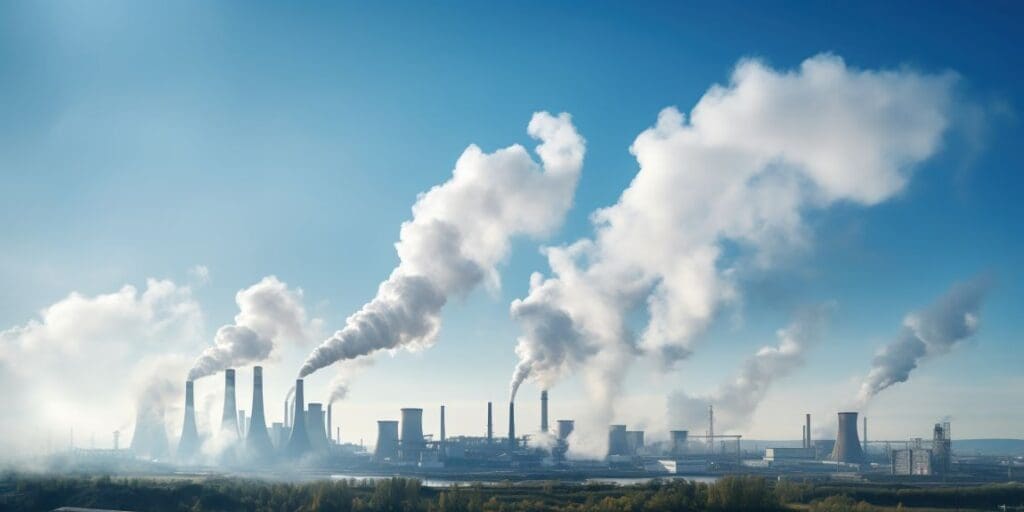
The study, published in the journal Ecology Letters, reveals that these two factors, driven by climate change and pollution, are not counteracting each other as once believed. Instead, they are combining to create a dangerous situation that could drastically simplify food webs and degrade ecosystem functionality.
The research team, which included scientists from the University of Oxford, University of Savoie Mont Blanc, and the French National Research Institute for Agriculture, Food and the Environment, studied hundreds of lakes and streams.
Their findings showed that warmer, nutrient-rich waters lead to less complex food webs, characterized by shorter food chains and weakened ecosystem stability. This simplification has dire consequences, particularly for top predators, which play a crucial role in maintaining the health and balance of these ecosystems.
With less than three percent of the Earth’s water being fresh, these habitats are incredibly valuable. They support nearly 10 percent of all known animal species and nearly half of all known fish species.
Freshwater ecosystems are essential for maintaining water quality, supporting wildlife migration, and transporting nutrients vital for agriculture. However, the increasing temperatures and nutrient levels are pushing these systems to the brink, threatening not only the biodiversity they harbor but also the services they provide to humans and the environment.
The global importance of addressing river pollution was underscored recently when the Olympic open water swimming events in Paris, scheduled to take place in the Seine River, had to be postponed due to harmful bacterial levels. This incident has highlighted the pressing need to reduce pollution levels in rivers and lakes, especially in the face of climate change.
Alain Danet, a Postdoctoral Research Associate at the University of Sheffield and co-first author of the study, emphasized the significance of the findings. “The challenges faced in Paris demonstrate how important it is to reduce pollution levels in our rivers and lakes, not only for our health but for the health of our ecosystems,” he said.
“Our rivers, lakes, wetlands, and underground water supplies store and clean the water that’s crucial for people and wildlife. From providing drinking water to providing essential resources to terrestrial and marine ecosystems, healthy freshwater systems are essential.”
Willem Bonnaffé, a Postdoctoral Research Associate at the University of Oxford and co-first author, added: “Lake and river creatures are like the kidneys of our planet. They clean water and prevent blooms of poisonous algae and bacteria. Keeping them safe is keeping us safe.”
The study’s findings suggest that reducing pollution levels in freshwater ecosystems could be a promising way to mitigate the impacts of climate change. “By reducing greenhouse gas emissions and improving water quality, we can help safeguard the health of our rivers and lakes for future generations,” Bonnaffé said.
Camille Leclerc, a Postdoctoral Research Associate at the French National Research Institute for Agriculture, Food and the Environment and co-first author, highlighted the study’s broader implications: “This important research has shown what a dangerous combination warming waters caused by climate change and increased nutrient levels caused by pollution are. More positively this study shows that if we can reduce the pollution in our lakes and rivers, it will better protect them against the effects of climate change and warmer waters.”
As climate change and pollution continue to threaten the world’s freshwater ecosystems, this study underscores the urgent need for coordinated global efforts to reduce pollution and greenhouse gas emissions, ensuring the health and stability of these critical habitats for generations to come.
Journal Reference:
Willem Bonnaffé, Alain Danet, Camille Leclerc, Victor Frossard, Eric Edeline, Arnaud Sentis, ‘The interaction between warming and enrichment accelerates food‐web simplification in freshwater systems’, Ecology Letters 27 (8) (2024); DOI: 10.1111/ele.14480 | https://doi.org/10.1111/ele.14480
Article Source:
Press Release/Material by University of Sheffield
Featured image credit: TravelScape | Freepik