Copenhagen, Denmark | AFP
Denmark will introduce the world’s first carbon tax on livestock, a unique measure designed to bring the Scandinavian country closer to its goal of carbon neutrality by 2045.
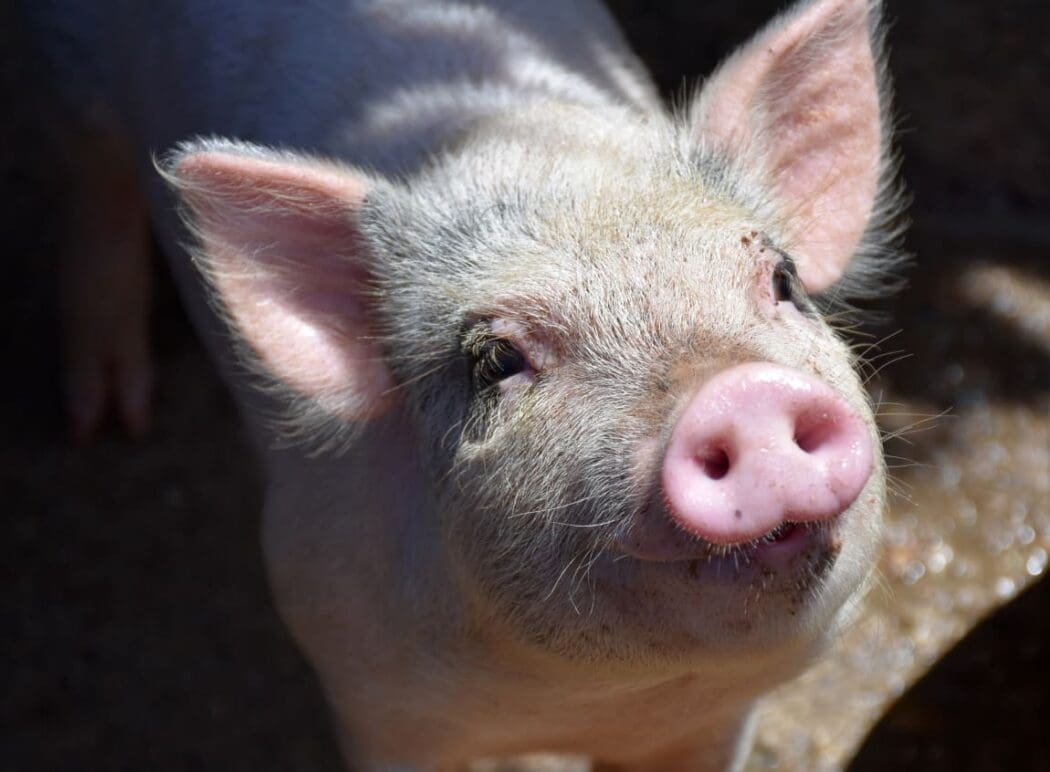
From 2030, methane emissions caused by flatulence from cattle and pigs will be taxed at a rate of 300 kroner ($43) per tonne of CO₂ equivalent.
This amount will rise to 750 kroner in 2035 under the terms of an agreement reached at the end of June between the government, part of the opposition and representatives of livestock farmers, industry and trade unions.
The text still has to be approved by parliament which will examine it after the summer.
For Christian Fromberg, a campaign leader at Greenpeace Nordic, the text “offers hope… in a situation where a lot of countries are backpedalling on climate action.”
“While the carbon tax should have been both higher and implemented sooner, it does marks a significant milestone,” he told AFP.
At the same time, Fromberg deplored the “missed opportunity” to bring about “a new direction for Danish agriculture.”
This is despite the fact that its practices remain highly intensive and discharges a lot of nitrogen, which is responsible for deoxygenating the water.
Without oxygen, marine flora and fauna disappear.
‘A sad day’
For the Danish Association for Sustainable Agriculture, however, the agreement is “useless.”
It is “a sad day for agriculture,” it said in a press release.
“As a farmer, I feel uncomfortable because we are taking part in an uncertain experiment” that could threaten “the security of the food supply,” said the association’s president Peter Kiaer, recalling New Zealand’s abandonment of a similar proposal in the face of farmers protesting.
To soften the bill for Danish farmers, the plan proposes a 60 percent tax deduction.
The true cost to farmers is expected to be 120 kroner per tonne from 2030, rising to 300 kroner five years later.
However, projections by the economy ministry estimate that up to 2,000 jobs could be lost in the sector by 2035 as a result of the agreement.
The revenue generated by the tax will be reinvested in the ecological transition of the agricultural industry.
Over 60 percent of the country’s surface area is devoted to agriculture.
In addition, the fallowing of 140,000 hectares (346,000) should help to increase carbon storage in the soil, thereby reducing the concentration of greenhouse gases in the atmosphere.
“We have a great myth in Denmark of being a green frontrunner,” said Fromberg.
“It is very hard to make the case, that this agreement is historic. It is a continuation of the path of intensification that Danish agriculture has occurred for the last 70 years. And the deal incentivises that Danish agriculture will continue to be the most intensive meat-producing country in the world.”
Denmark is one of the world’s leading exporters of pork, which accounts for almost half of the country’s agricultural exports, according to the Danish Agriculture and Food Council.
str-cbw/ef/nmc/ach
© Agence France-Presse
Article Source:
Press Release/Material by Paul Cassedanne | AFP
Featured image credit: DejaVu Designs | Freepik