Washington, United States | AFP
The Trump administration’s planned drastic cuts to the Environmental Protection Agency (EPA) “mean more dirty air” across the United States, an advocacy group warned Wednesday.
Plans to lay off hundreds of employees would eliminate the scientific arm of the EPA, which tackles environmental issues including pollution and climate change.
“EPA staff, working in communities across country, are doing crucial work to keep your air clean. Staff cuts are already impacting people’s health across the country. Further cuts mean more dirty air,” the American Lung Association said in its annual ‘State of the Air‘ report.
The firings, which have not been finalized, were criticized last month by Democratic lawmakers and the Union of Concerned Scientists (USC) advocacy group.
US President Donald Trump in February said his EPA administrator, Lee Zeldin, plans to slash around 65 percent of the agency’s staff.
“A regulation cannot be overturned simply by an executive order or a press statement,” the American Lung Association said, citing executive orders and EPA announcements it said “seek to overturn regulatory policies” reducing pollution.
“That means that the clean air safeguards are still on the books, still the law of the land, and still need to be defended and protected, especially as new actions are announced to reconsider these lifesaving programs,” the association said.
The EPA currently employs more than 17,000 people, of the roughly two million total US federal workforce which Trump has pledged to slash.
The Republican ran on a platform that promised to curb environmental protection regulations, specifically those related to climate change, arguing they unnecessarily stymied economic growth.
The American Lung Association warned “threats to the staff, funding and work of the US Environmental Protection Agency (that) put clean air at risk for people across the country.”
Even in the years before Trump returned to office, 46 percent of Americans were living with “unhealthy levels of ozone or particle pollution” according to the association.
Its latest findings, using data from 2021-2023, recorded nearly 25 million more people “breathing unhealthy air” compared to its report a year ago.
It said that its findings over the past decade “have added to the extensive evidence that a changing climate is making it harder to protect” progress on improving air quality.
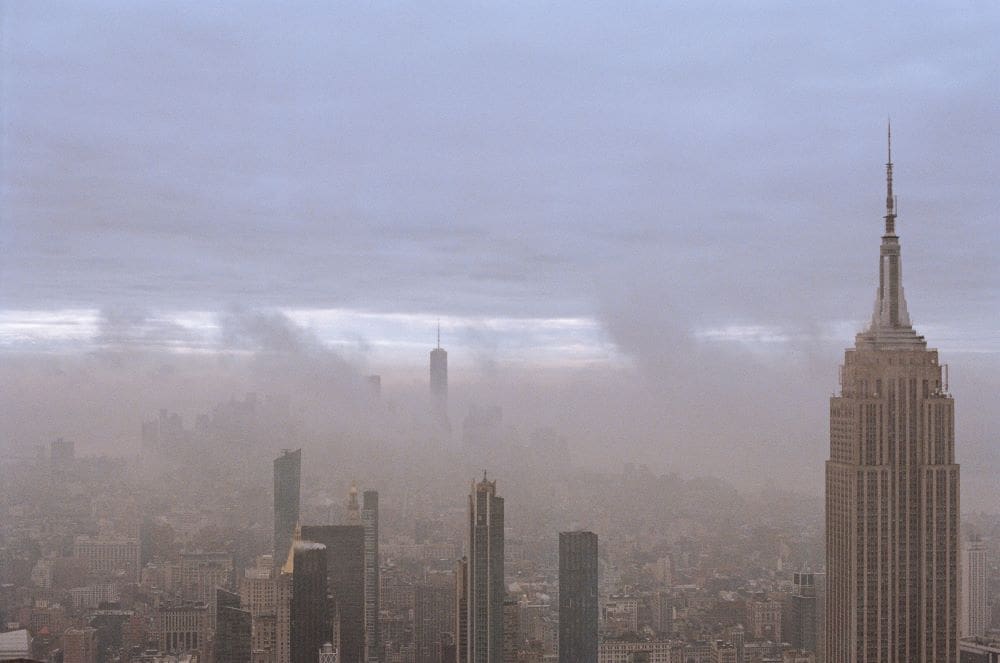
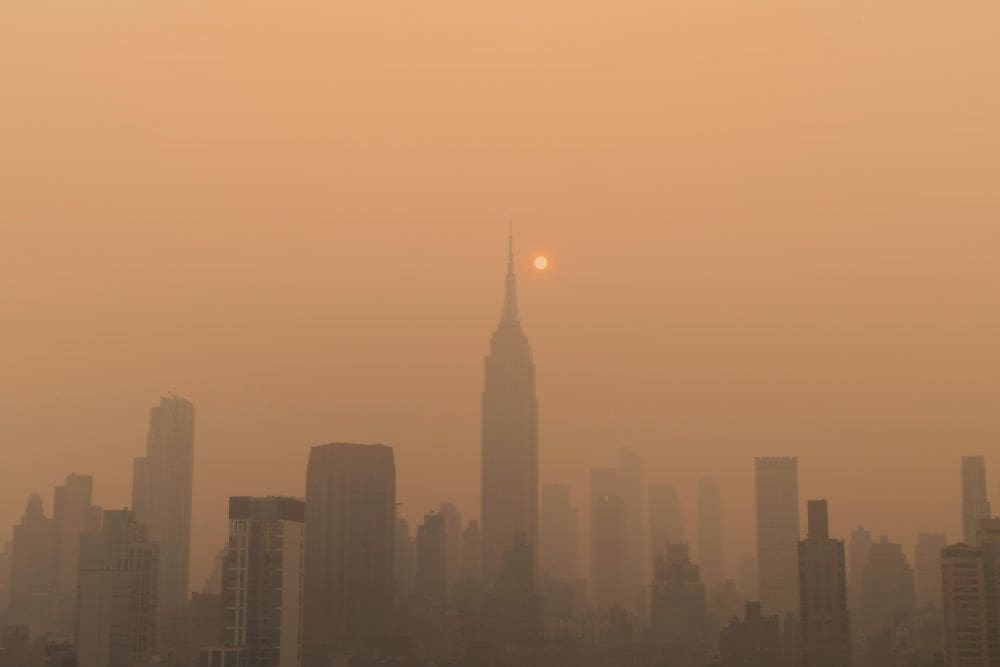
“Increases in high ozone days and spikes in particle pollution related to extreme heat, drought and wildfires are putting millions of people at risk,” the report said.
Los Angeles was once again “the city with the worst ozone pollution in the nation”, the report said. But residents there experienced on average 77 fewer unhealthy days annually than they did in 2000.
rsc/des
© Agence France-Presse
Article Source:
Press Release/Material by AFP
Featured image credit: Philip Ho | Unsplash