A wildfire near the town of Bizanet in southern France scorched around 400 hectares of land after erupting on 29 June 2025. Fueled by dry vegetation and intense heat following a European heatwave, the blaze spread quickly through the Aude department, prompting evacuations and the closure of the A61 motorway.

Authorities deployed more than 600 firefighters to contain the fire, which was brought under control the next day. Emergency services worked throughout the night to protect homes and limit further spread under challenging weather conditions.

Satellite Image: Bizanet, France (s. wildfire)
Bizanet, France. Credit: European Union, Copernicus Sentinel-2 imagery

This image, captured by the Copernicus Sentinel-2 satellite on 2 July 2025, reveals the dark burn scar left behind in the landscape near Bizanet. The satellite’s high-resolution imagery allows for detailed observation of wildfire damage, offering a valuable tool for emergency response teams and environmental monitoring agencies.

Open data from the Copernicus Sentinel satellites plays a key role in mapping wildfire impacts and helping authorities evaluate environmental damage, plan recovery efforts, and improve preparedness in a warming climate.

Featured image credit: European Union, Copernicus Sentinel-2 imagery

Graphic: Pulse of Progress: The State of Global SDG Data in 2023
Data gaps in 193 countries hinder progress on UN 2030 AgendaNews

Data gaps in 193 countries hinder progress on UN 2030 Agenda

Governments and international organizations rely heavily on data to make informed decisions about a wide range of issues, from energy policy to public health. However,…
Adrian AlexandreAdrian AlexandreSeptember 17, 2024 Full article
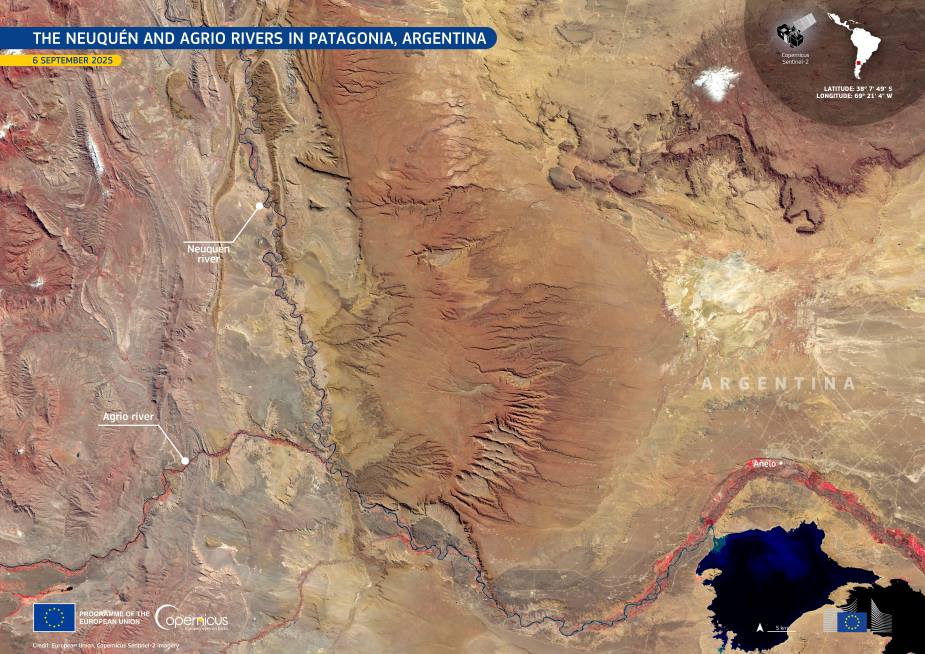
Satellite Image: Patagonia, Argentina
Image of the day: Rivers of life in Patagonia’s dry landsNews

Image of the day: Rivers of life in Patagonia’s dry lands

In northern Patagonia, Argentina, the Neuquén and Agrio rivers carve narrow green corridors through a largely arid landscape. Captured by the Copernicus Sentinel-2 mission on…
Muser NewsDeskMuser NewsDeskOctober 5, 2025 Full article
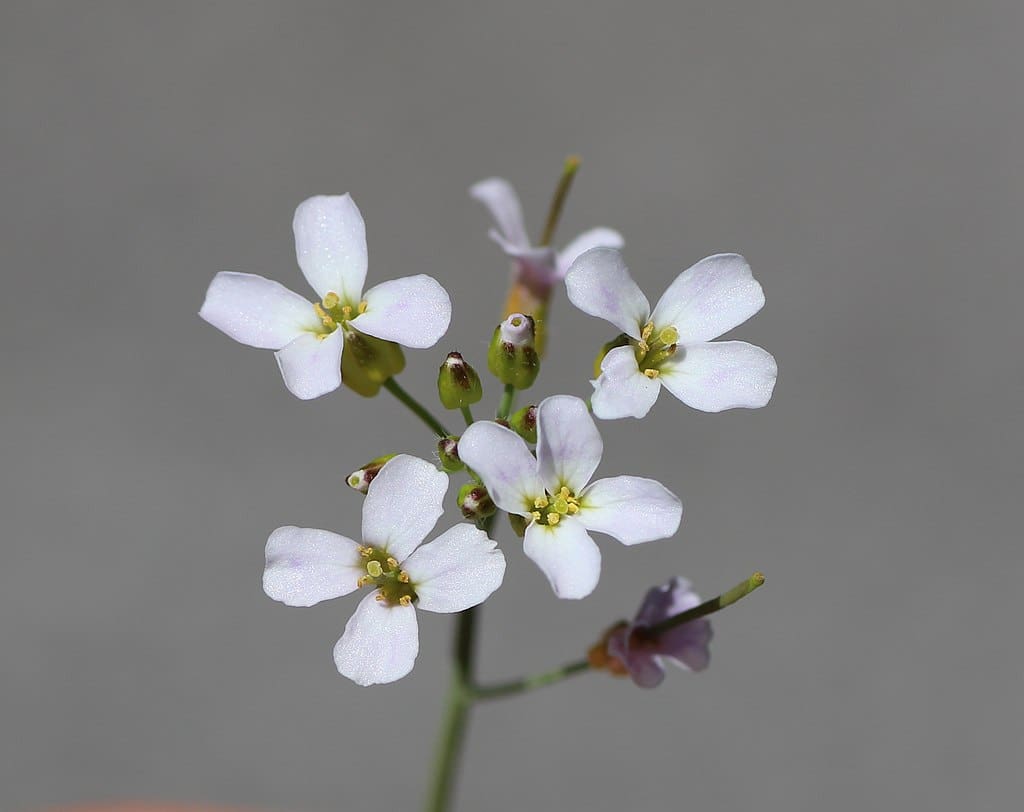
Image: Arabidopsis halleri flower
New field experiments uncover how plant clocks adapt to natural environmentsScience

New field experiments uncover how plant clocks adapt to natural environments

A collaborative study between researchers from the UK and Japan has shed new light on how plant biological clocks function in natural environments. Traditionally, much…
Adrian AlexandreAdrian AlexandreAugust 23, 2024 Full article