Summary:
A global study has found that burning plastic is a common but largely hidden source of energy for households across parts of the Global South, raising serious concerns about health, environmental damage, and social inequality. Published in Nature Communications, the research draws on a survey of 1,018 key informants working closely with low-income urban communities in 26 countries, including researchers, government officials, and community leaders.
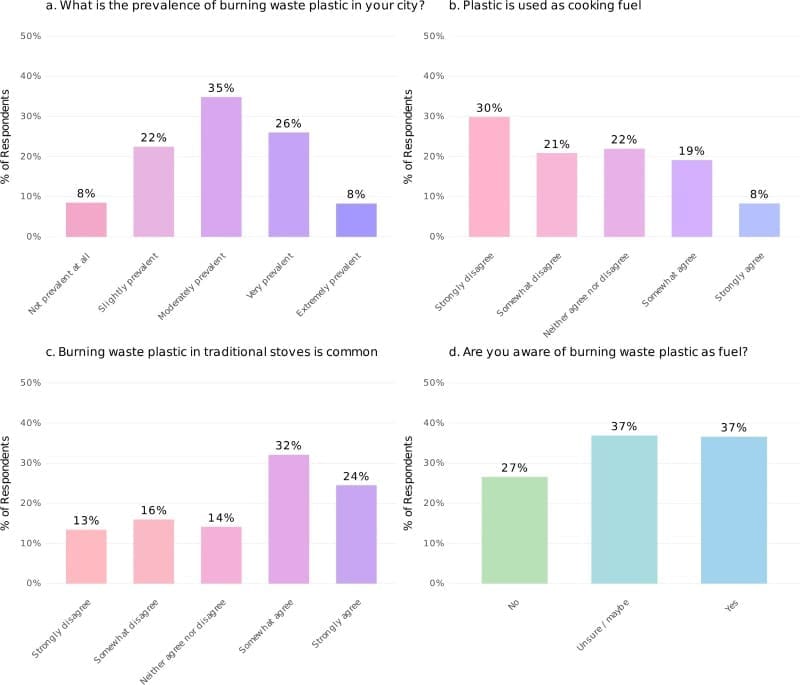
One in three respondents reported being aware of households burning plastic waste, with some confirming that members of their own households had done so. The study links the practice to both supply-side pressures, such as large volumes of unmanaged waste and limited collection services, and demand-side factors, including the high cost or unavailability of cleaner fuels. Plastic is used not only to dispose of waste, but also for cooking, heating, lighting fires, and repelling insects.
The researchers found that plastic is often burned in simple stoves or open fires inside homes or in densely populated areas, exposing residents to toxic emissions. Women, children, older people, and those with disabilities were identified as facing the greatest risks. The study concludes that expanding waste management services and improving access to affordable clean energy are essential to reducing reliance on plastic as a household fuel.
— Press Release —
Global study reveals widespread burning of plastic for heating and cooking
A new Curtin University-led study has shed new light on the widespread number of households in developing countries burning plastic as an everyday energy source, uncovering serious international health, social equality and environmental concerns.
The research surveyed more than 1000 respondents across 26 countries who work closely with low-income urban neighbourhoods, such as researchers, government workers and community leaders.
One in three respondents said they were aware of households burning plastic, with many personally witnessing neighbours or community members doing so. A smaller but significant group reported having burned plastic themselves.
Lead researcher Dr Bishal Bharadwaj, from the Curtin Institute for Energy Transition (CIET), said the study was the first to provide broad global evidence of households burning plastic to not only dispose of waste, but also cook food, heat homes, light fires and keep insects away.
“This is an issue that has largely been happening out of sight in communities and been difficult to get accurate data on, however this survey provides additional insights into what is going on,” Dr Bharadwaj said.
“When families can’t afford cleaner fuels and have no reliable waste collection, plastic becomes both a nuisance and a last-resort energy source. We found evidence of people burning everything from plastic bags and wrappers to bottles and packaging, just to meet basic household needs. The practice is far more widespread than anyone realised, but because it happens in marginalised communities and is often hidden, it has escaped meaningful global attention despite the severe risks to health and the environment.”
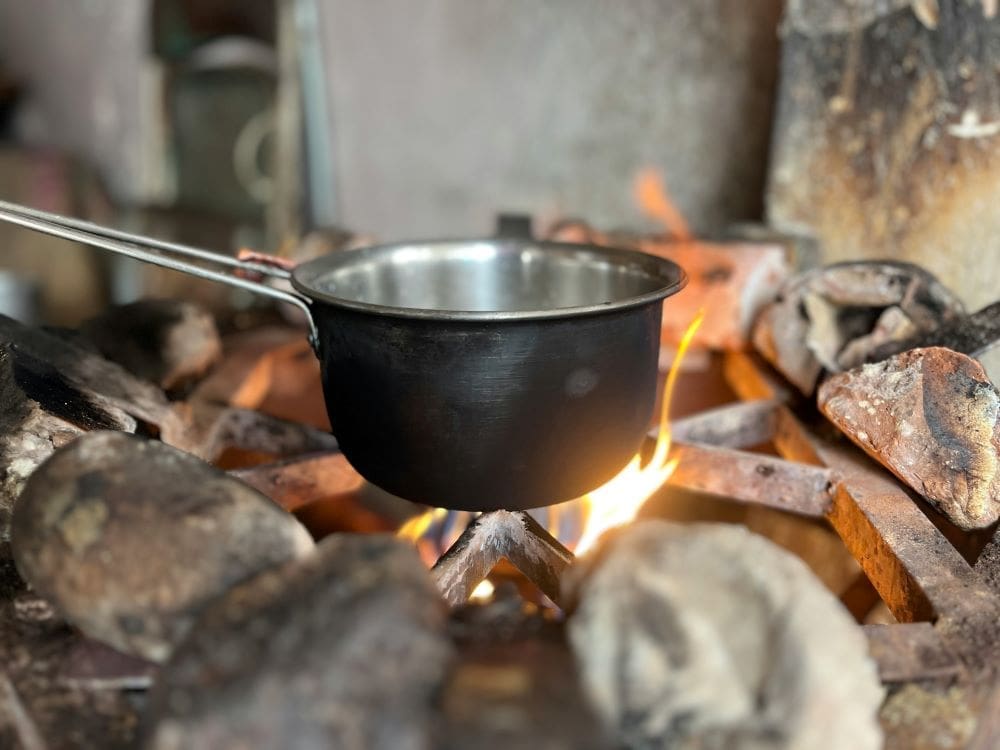
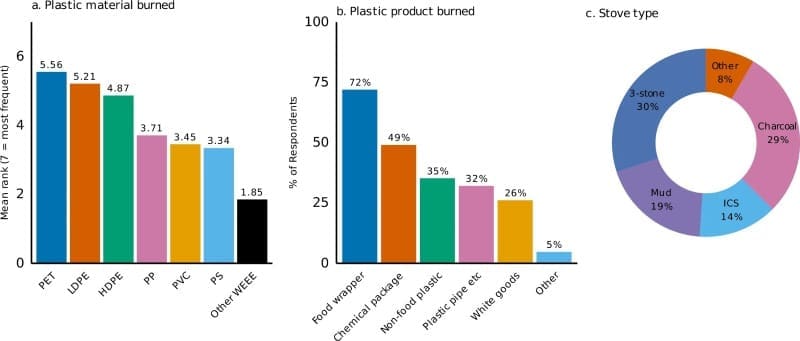
The team found households frequently used simple stoves such as three-stone fires, charcoal stoves and makeshift burners to burn plastic, producing toxic smoke inside homes and densely populated areas. Women, children, older residents and people with disabilities were identified as those most exposed.
Co-author Professor Hari Vuthaluru from Curtin’s Western Australian School of Mines (WASM) said the burning of materials such as mixed plastics and polyvinyl chloride (PVC) posed severe risks from toxic emissions.
“When PVC is burned, it releases highly toxic dioxins and furans, which are among the most dangerous pollutants known,” Professor Vuthaluru said. “These compounds persist in the environment, accumulate in the food chain and can cause serious health problems including cancer, reproductive disorders and immune system damage. PVC ranks as the third most commonly burned plastic, which is extremely concerning.”
Co-researcher Dr Pramesh Dhungana from Curtin’s School of Molecular and Life Sciences said the study highlighted the risks of food contamination from plastic burning.
“Our survey found 60 per cent of respondents thought it extremely likely that toxic chemicals from burning plastic could contaminate food and water,” Dr Dhungana said. “This isn’t just theoretical: studies near plastic burning sites have found toxic compounds in eggs and soil samples. When plastic burns near homes and food preparation areas, these toxins can settle on crops, enter water sources and accumulate in foods, creating a hidden health crisis for communities already facing significant challenges.”
Co-author and CIET Director Professor Peta Ashworth said addressing the issue required far more than simply telling households not to burn plastic – and targeted action was required quickly given plastic use is projected to triple by 2060.
“People only do this because they have no safer alternatives, due to root causes such as extreme energy poverty, unaffordable cleaner fuels and inadequate waste services,” Professor Ashworth said. “It’s essential that solutions include improving sanitation, supporting access to modern cooking energy and working with communities on practical, culturally relevant options. This research provides the evidence base needed to design interventions that genuinely support the world’s most vulnerable urban residents.”
Journal Reference:
Bharadwaj, B., Gates, T., Rose, S. et al., ‘Prevalence of plastic waste as a household fuel in low-income communities of the Global South’, Nature Communications 17, 50 (2026). DOI: 10.1038/s41467-025-67512-y
Article Source:
Press Release/Material by Samuel Jeremic | Curtin University
Featured image credit: musafirdost08 | Pexels