Paris, France | AFP | Muser NewsDesk
The world logged its fifth hottest February on record, with western Europe drenched by extreme rainfall and widespread flooding, the European Union’s climate monitor said on Tuesday.
Global temperatures last month were 1.49 °C above preindustrial times, defined as the 1850-1900 period before large-scale fossil fuel use drove climate change.
Temperatures and precipitation varied widely in Europe.
The average temperature in Europe was among the three coldest in the past 14 years at -0.07 °C.
But western, southern and southeast Europe experienced above-average temperatures, according to the Copernicus Climate Change Service.
Colder conditions were experienced in northwest Russia, Baltic countries, Finland and its Scandinavian neighbours.

“Wet and dry conditions across the continent showed a pronounced contrast: much of western and southern Europe was wetter than average, whereas the rest of the continent… was mostly drier than average,” the service said in its monthly report.
The United States, northeast Canada, the Middle East, Central Asia and east Antarctica had warmer-than-average temperatures.
Need for global action
Sea surface temperatures were the second highest for the month of February.
In the Arctic, the average sea ice extent was at its third lowest level for the month at five percent below average.
In the Antarctic, the monthly sea ice extent was close to average for February — a “sharp contrast to the much below-average” levels observed over the past four years, Copernicus said.

“The extreme events of February 2026 highlight the growing impacts of climate change and the pressing need for global action,” said Samantha Burgess, strategic lead for climate at the European Centre for Medium-Range Weather Forecasts, which operates Copernicus.
“Europe experienced stark temperature contrasts,” Burgess said.
“Exceptional atmospheric rivers — narrow bands of very moist air –- brought record rainfall and widespread flooding to western and southern Europe,” she said.
Human-driven climate change intensified torrential downpours that killed dozens and forced thousands of people from their homes across Spain, Portugal and Morocco between January and February, according to the World Weather Attribution (WWA) network of climate scientists.
lt/gil
© Agence France-Presse
Article Source:
Press Release/Material by AFP
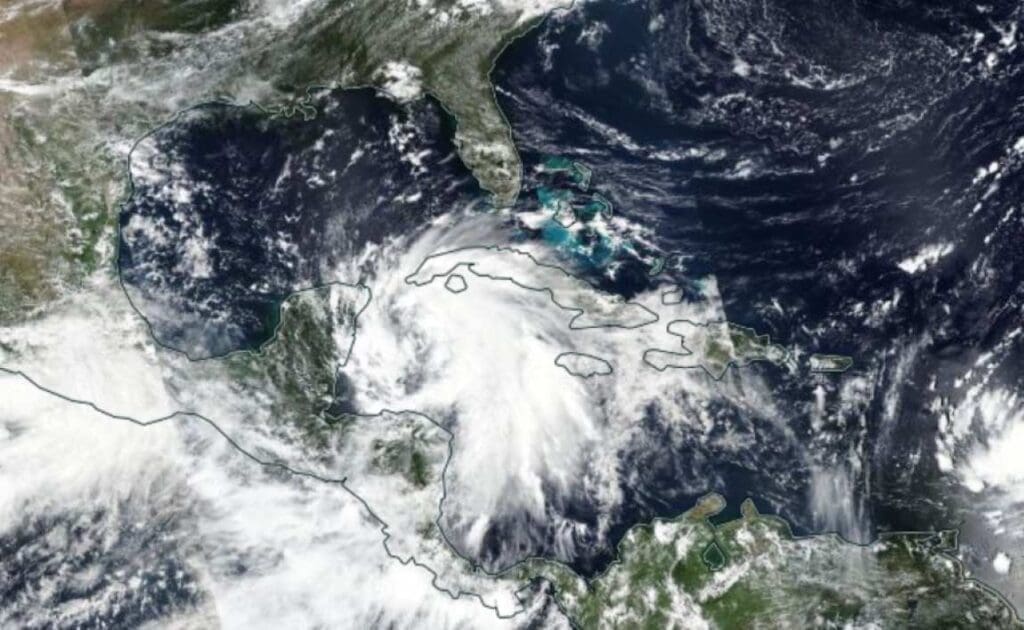
Featured image credit: Copernicus Climate Change Service/ECMWF