Summary:
Beneath forests, grasslands and farmland, fungal communities help drive nutrient cycling, carbon storage and plant growth. A review published in Nature Reviews Microbiology examines the diversity, ecology and functions of soil fungi, bringing together current knowledge on how these organisms affect ecosystems, agriculture and health.
In the review, Professor Matthias C. Rillig of Freie Universität Berlin describes fungi as a fundamental component of soil microbial communities. Many species form symbiotic relationships with plant roots, helping plants acquire nutrients such as phosphorus and nitrogen while improving access to water. Others act as decomposers, breaking down organic matter and recycling nutrients in soils.
The article also examines the role of fungi in biogeochemical cycles and carbon storage, highlighting their importance in the movement of energy and nutrients through soil food webs. Because fungal communities are strongly influenced by environmental conditions, they are sensitive to pressures such as climate change, land-use change and chemical pollution.
The review argues that improving knowledge of fungal diversity and function will be important for predicting environmental change, supporting sustainable agriculture and addressing challenges including fungal diseases and antifungal resistance. It also identifies fungi as an important component of One Health and Planetary Health, linking environmental conditions with animal and human health.

— Press Release —
Fungal diversity in soil is essential for global health
Fungi are key constituents of the soil microbial community, playing a major role in moving carbon and energy through the soil food web. A recent analysis carried out by Professor Matthias C. Rillig from Freie Universität Berlin highlights the importance of soil fungal communities for ecosystem stability, agricultural productivity, and carbon storage. The article was published in the scientific journal Nature Reviews Microbiology.
Soil-based fungi form symbiotic associations with plant roots, enabling the organisms to exchange water and nutrients, and in some cases even protecting them from disease. Many species of plants depend on these extensive mycorrhizal networks to supply them with the nutrients they need to survive, such as phosphorus and nitrogen. Fungi also play an important role as decomposers, breaking down organic substances to drive major ecosystem processes.
Read also: How fungi help store carbon in soil for millennia
“Fungi are the invisible cornerstone of many ecosystems. The better we can understand these organisms, as well as their diversity and functions within their specific ecosystems, the better we will be able to predict the consequences of global environmental change, including climate change. It will also enable us to manage agricultural systems in a more sustainable way and more effectively investigate the connections between environmental, animal, and human health,” says Rillig, professor of ecology at Freie Universität Berlin’s Institute of Biology.
Fungi and the Future
Rillig has spent decades researching the ecology of soil-based organisms, fungal biodiversity, and the consequences of global change for individual ecosystems. In his latest overview study, Rillig summarizes the current state of knowledge surrounding diversity, ecology, and the functional roles of fungi. He also highlights areas where more research is required – for example, when it comes to understanding the effects of global change on fungal communities and what this means for human, animal, and environmental health.
Due to their position at the bottom of the soil food web, fungi are particularly sensitive to anthropogenic factors such as climate change, changes in land use, or chemical pollution. “Changes in the composition of fungal communities can seriously impact ecosystems and agricultural production. It is also important to remember that fungi can be destructive pathogens. Their role in antifungal resistance requires further investigation, particularly with regard to the consequences that an increased frequency of antifungal resistance has for both human and veterinary medicine,” says Rillig.
The study makes it clear that, when taking human, animal, and environmental health into account, we also need to be considering fungi and the important role they play in One Health and Planetary Health.
Read also: Retreating glaciers: fungi enhance carbon storage in young Arctic soils
Journal Reference:
Rillig, M.C., ‘Fungal diversity, ecology and functions in soil ecosystems’, Nature Reviews Microbiology (2026). DOI: 10.1038/s41579-026-01321-y
Article Source:
Press Release/Material by Jonas Krumbein | Freie Universität Berlin
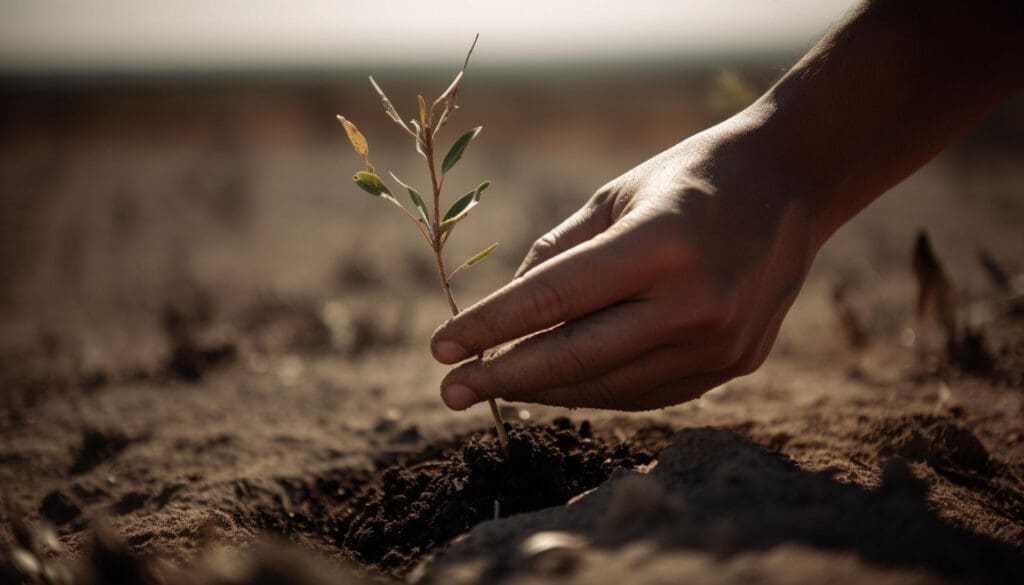
Featured image: Many soil fungi form symbiotic relationships with plant roots, helping plants acquire water and nutrients while supporting key soil processes. Credit: Muser Press (AI Gen.)